- Industrial zone, South of Anping Town, Hengshui, Hebei, China.
- sales@hfpetromesh.com
- +86-18931809706
Understanding Steel Bar Grating Sizes for Optimal Project Performance
Understanding Steel Bar Grating Sizes for Your Project
Choosing the right steel bar grating is crucial for the safety and functionality of your project. Steel bar grating comes in a variety of sizes, and understanding these options is essential for making an informed decision. This guide will cover the key dimensions, load-bearing capabilities, and applications of different steel bar grating sizes. Whether you’re working on a walkway, platform, or drainage system, selecting the correct size ensures structural integrity and long-term performance. We’ll explore the factors to consider when determining the ideal steel bar grating sizes for your specific needs.
Key Dimensions of Steel Bar Grating
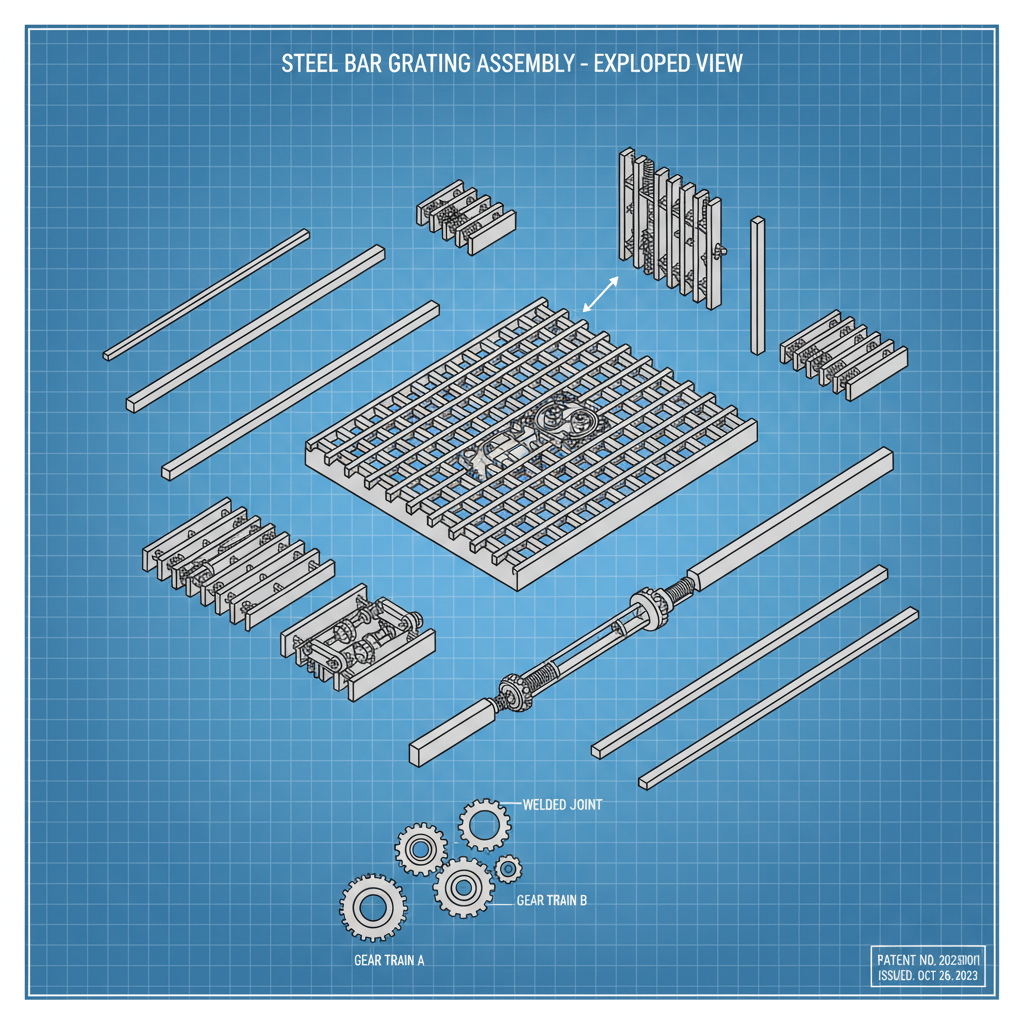
Several dimensions define the size and specifications of steel bar grating. The primary measurements include the bearing bar size, spacing, and thickness. The bearing bar is the load-bearing element, and its size (typically in inches or millimeters) dictates the grating's strength. Spacing refers to the distance between the bearing bars, affecting the open area and the size of objects that can pass through. Finally, the thickness of the bearing bars and the connecting bars contributes to the overall robustness of the grating. These dimensions are crucial in determining the load capacity and suitability for various applications.
Key Takeaways: Bearing bar size, spacing, and thickness are fundamental in assessing the structural capabilities of steel bar grating. Selecting appropriate dimensions is crucial for safety and performance.
Common Steel Bar Grating Sizes & Specifications
Standard steel bar grating sizes often vary based on industry requirements and load demands. Here's a breakdown of frequently used dimensions. Generally, bearing bar sizes range from 1" to 3", with spacings between 1" and 6". Grating thickness, determined by the bar size and overall design, is usually between 1/8" and 3/8". It’s vital to consider these dimensions alongside the intended application and expected load capacity to ensure optimal performance. We at HF Petro Mesh offer customizable solutions to meet specific project needs.
Factors Influencing Steel Bar Grating Size Selection
Several factors come into play when selecting the optimal steel bar grating sizes. These include the anticipated load, the span length between supports, the required open area, and the environmental conditions. Larger loads require thicker bearing bars and smaller spacings. Longer spans demand more robust grating to prevent deflection. Open area impacts drainage and light transmission. Finally, corrosive environments may necessitate specific materials like stainless steel. Proper consideration of these elements ensures a safe and durable installation.
Key Considerations:
• Anticipated Load
• Span Length
• Required Open Area
• Environmental Conditions
Steel Bar Grating Size Comparison: Welded vs. Swage-Locked
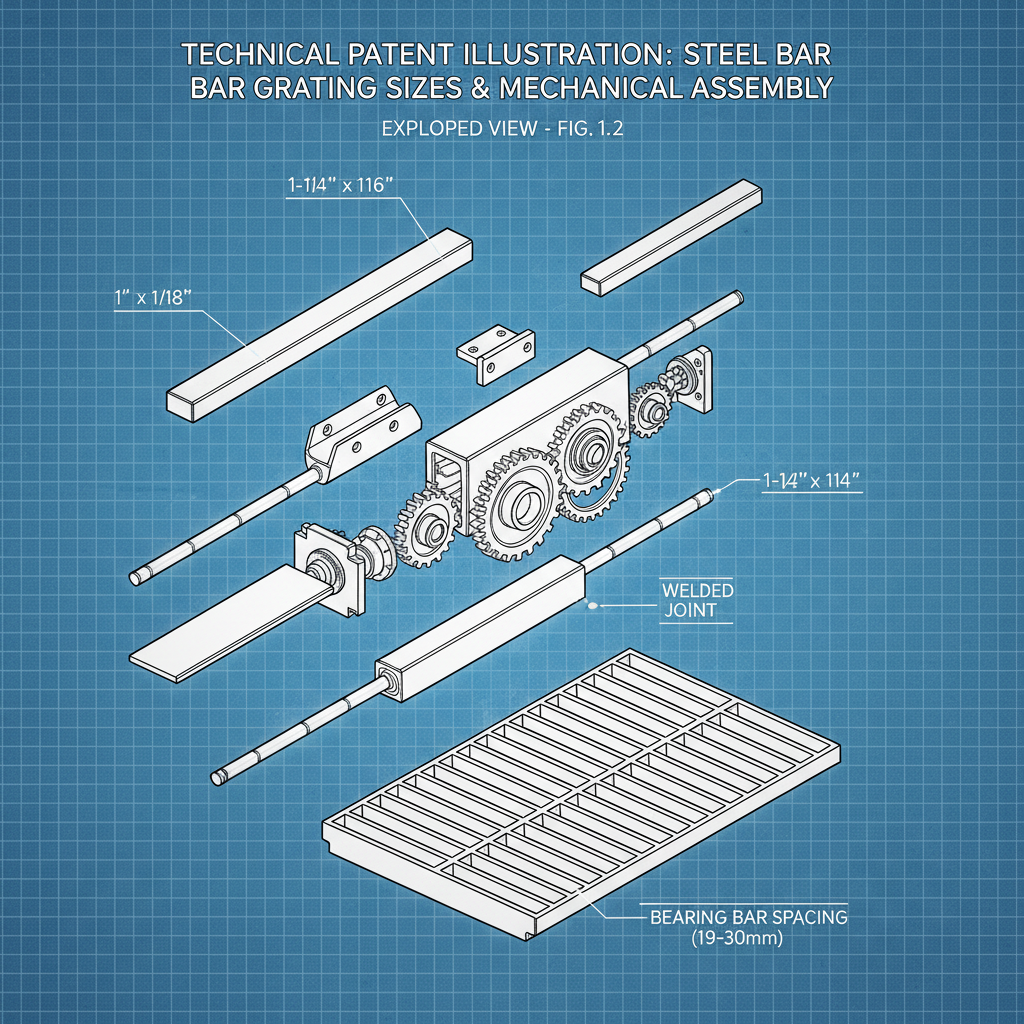
There are two primary manufacturing methods for steel bar grating: welded and swage-locked. Welded grating is created by welding the bearing bars to the connecting bars, offering good strength and versatility. Swage-locked grating involves pressing the bearing bars into the connecting bars, creating a smooth, tamper-proof surface. While both types offer excellent load-bearing capabilities, swage-locked grating generally has a higher load capacity for a given size. HF Petro Mesh offers both options to suit diverse project needs.
Load Tables & Safety Factors
Understanding load tables and safety factors is essential for selecting appropriate steel bar grating sizes. Load tables specify the maximum load capacity for different grating sizes and spans. A safety factor, typically between 2 and 3, is applied to these values to account for unforeseen loads and potential material defects. HF Petro Mesh provides detailed load tables for all our grating products, ensuring compliance with industry standards.
Conclusion: Choosing the Right Steel Bar Grating Size
Selecting the correct steel bar grating sizes is paramount for safety, durability, and optimal performance. Careful consideration of load requirements, span lengths, environmental conditions, and manufacturing methods is crucial. At HF Petro Mesh, we are committed to providing high-quality grating solutions and expert guidance to ensure your project’s success. Don’t hesitate to contact us for assistance in selecting the perfect grating for your specific needs.
Frequently Asked Questions (FAQs)
What is the minimum recommended span for steel bar grating?
The minimum recommended span for steel bar grating depends on the bearing bar size, spacing, and load requirements. Generally, shorter spans (less than 2 feet) may result in excessive deflection. It's best to consult load tables provided by the manufacturer to determine the appropriate span for your specific application. Exceeding the recommended span can compromise the grating's structural integrity and create a safety hazard. We at HF Petro Mesh can assist you in calculating the optimal span based on your project's specifications.
How does the open area of grating affect its performance?
The open area of steel bar grating influences several performance aspects. Higher open areas improve drainage, reduce weight, and allow for better air and light transmission. However, smaller open areas provide greater support and are better suited for applications requiring finer containment. The ideal open area depends on the specific requirements of your project. For example, a walkway in a wet environment would benefit from a higher open area for drainage, while a platform designed to support heavy equipment might require a smaller open area for increased support.
Can steel bar grating be customized to specific sizes?
Yes, steel bar grating can often be customized to specific sizes and configurations. HF Petro Mesh offers custom fabrication services to meet unique project requirements. This includes adjusting the bearing bar size, spacing, and overall dimensions. Customization ensures a precise fit and optimal performance for your application. We utilize advanced cutting and welding techniques to deliver high-quality customized grating solutions.
-
The Ultimate Guide to Choosing a French Drain Grate CoverNewsApr.16,2026
-
Ultimate Guide to Durable Metal Channel Drain Grates for DrainageNewsApr.09,2026
-
Driveway Channel Drain Grate Systems for Effective Water ManagementNewsApr.07,2026
-
Comprehensive Guide to Durable Cast Iron Trench Drain Covers for Various ApplicationsNewsApr.04,2026
-
Comprehensive Guide to Driveway Storm Drain Grates for Optimal Water ManagementNewsMar.31,2026
-
Comprehensive Guide to Durable Steel Driveway Grates for Enhanced DrainageNewsMar.28,2026