- Industrial zone, South of Anping Town, Hengshui, Hebei, China.
- sales@hfpetromesh.com
- +86-18931809706
Perimeter Net That Delivers Safety & Security—Why Us?
Chain Link Helipad Perimeter Safety Netting: What Pros Are Buying in 2025
If you’re outfitting a helideck and googling a reliable perimeter net, you’ve probably noticed a flood of lookalike products. Some are great. Some… not so much. After visiting factories in Anping—the wire mesh capital of China—and talking to offshore HSE teams, here’s the practical, field-tested picture of Chain Link Helipad Perimeter Safety Netting from the Industrial zone, South of Anping Town, Hengshui, Hebei, China.
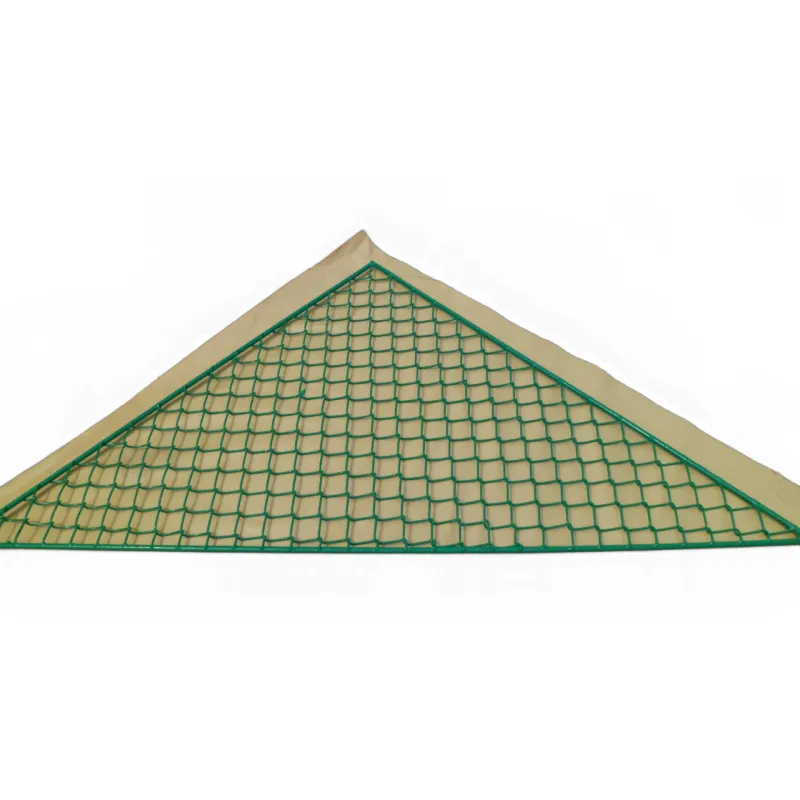
Why chain link around a helideck?
Because it’s predictable under load, easy to inspect, and—when properly galvanized or made from 316 stainless—stands up to salt spray. The system forms a protective envelope around the deck, preventing tools, baggage, and more importantly, people from falling. Sounds simple, but the devil is in the mesh gauge, the frame stiffness, and how the net is tensioned.
Industry trend check
- Move from painted carbon steel to hot-dip galvanized or full 316 stainless in marine zones.
- Documented compliance with CAP 437 and ICAO Annex 14 now shows up in bid packs by default.
- Modular panels for faster swap-outs—maintenance teams love them, honestly.
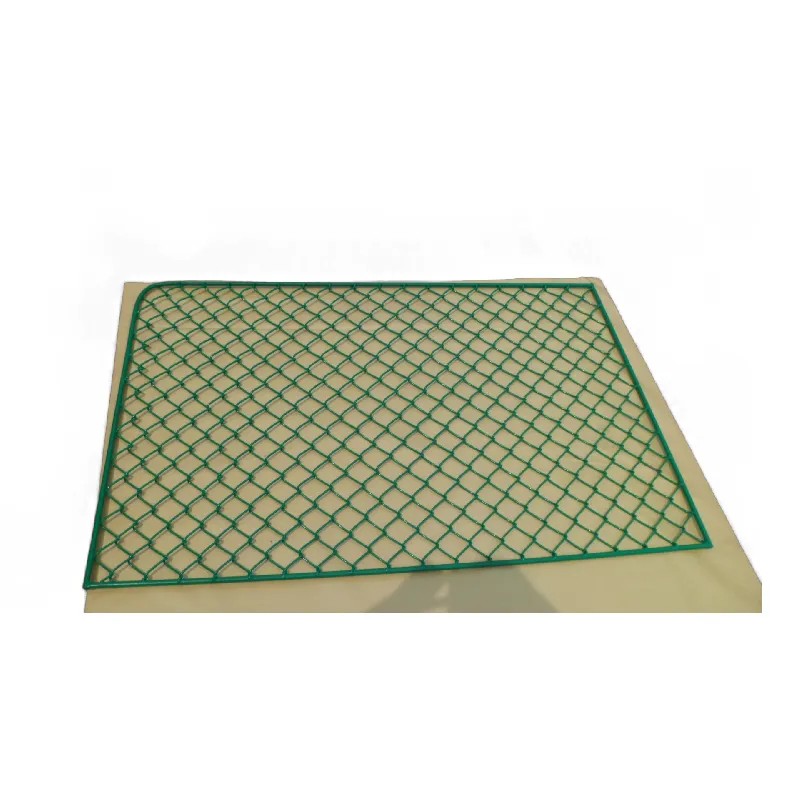
Quick specs (typical configuration)
| Parameter | Value (≈ / real‑world may vary) |
|---|---|
| Mesh aperture | 45–60 mm diamond (chain link) |
| Wire diameter | Ø 3.0–5.0 mm (carbon steel or 304/316 SS) |
| Finish | Hot-dip galvanized (ISO 1461) or bare 316 SS |
| Panel/rail height | ≈ 1.1–1.2 m above deck |
| Design load | ≥ 2 kN localized (mesh + frame) per CAP 437 guidance |
| Service life | 10–15 yrs onshore; 5–10 yrs offshore (environment dependent) |
Testing data we’ve seen: 480 h neutral salt-spray (ASTM B117) with no red rust on galvanized samples; wire tensile to ASTM A392 class requirements; site load checks using calibrated spring scales per CAP 437. The result? A tougher perimeter net that doesn’t sag after a season of wind.
Process flow (how it’s built)
- Materials: Low-carbon steel wire or 304/316 stainless; structural posts/rails.
- Methods: Chain-link weaving; knuckled selvage; frame welding to WPS; HDG to ISO 1461; optional powder over-galv.
- Assembly: Modular panels, marine-grade fasteners, tensioning ties.
- Testing: Dimensional checks, coating thickness (μm), proof loading (spot), visual QC.
- Documentation: Material certs, coating certificates, compliance statement to CAP 437/ICAO.
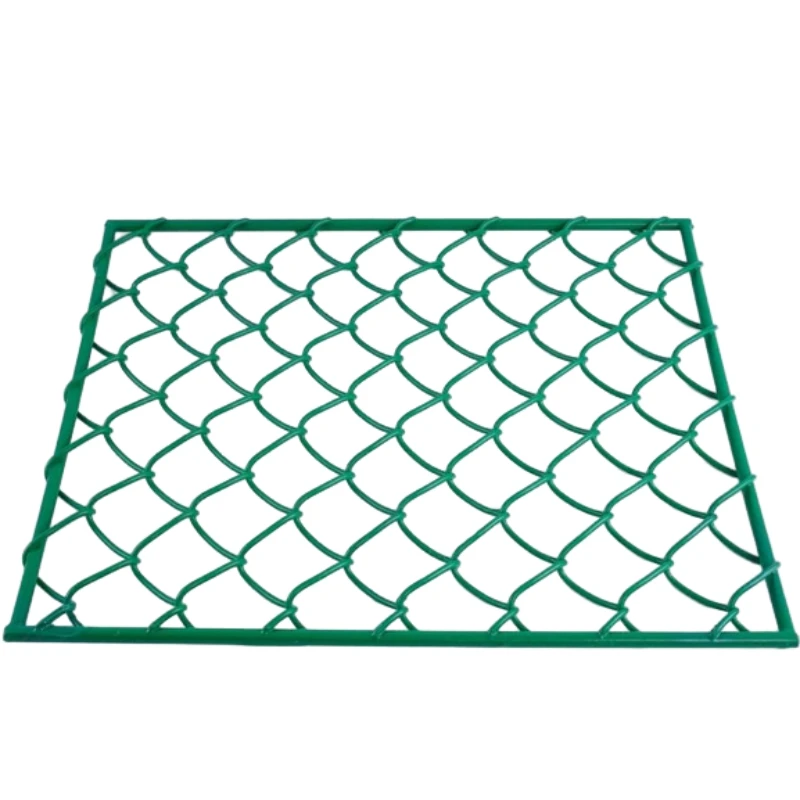
Where it’s used
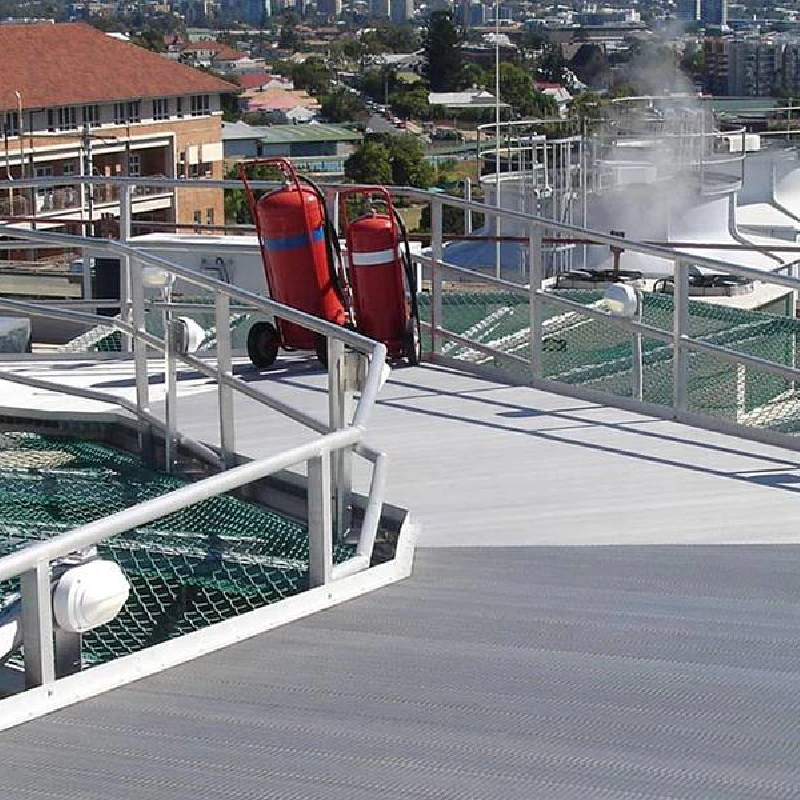
Offshore platforms and FPSOs, hospital and rooftop helipads, yacht decks, wind farm SOVs. One HSE manager told me, “Installation was boring—in a good way.” Another customer said the perimeter net handled a week of Beaufort 7 gusts without needing a retension.
Customization
- Material: Galvanized carbon steel or 316 SS for high chloride zones.
- Aperture/wire: 45/50/60 mm; Ø 3.15–5.0 mm.
- Panel geometry: Curved radius ends, toe-board integration, hinged gates.
- Coatings: HDG only, or duplex (galv + polyester powder).
Vendor snapshot
| Vendor | Materials | Certs/Compliance | Lead time | Notes |
|---|---|---|---|---|
| HF Petro Mesh (Anping) | Galv; 304/316 SS | ISO 9001; CAP 437/ICAO conformity docs | 3–6 weeks | Strong QC, good export packing |
| Generic A | Galv only | Basic mill certs | 2–4 weeks | Budget, shorter life offshore |
| Generic B | 316 SS focus | CAP 437 letters supplied | 6–9 weeks | Premium pricing |
Real-world cases
Offshore retrofit, North Sea: swapped aging panels for 316 SS chain link; crew reported zero sharp edges and faster refueling turnaround (no FOD snagging). Hospital rooftop, humid subtropical city: galvanized + powder duplex kept gloss after two summers; facilities team liked the quiet profile in crosswinds. It seems small, but calm hardware makes for calm ops.
Bottom line
Specify the standard, verify the wire, and don’t skimp on coating. A robust perimeter net should come with traceable certs, clean welds, and tension that stays put. The rest is just peace of mind every time skids touch steel.
Citations
- UK CAA CAP 437: Standards for Offshore Helicopter Landing Areas. https://publicapps.caa.co.uk/modalapplication.aspx?appid=11&mode=detail&id=226
- ICAO Annex 14, Aerodromes, Volume II: Heliports. https://www.icao.int
- ISO 1461: Hot dip galvanized coatings on fabricated iron and steel articles. https://www.iso.org/standard/76709.html
- ASTM A392: Zinc-Coated Steel Chain-Link Fence Fabric. https://www.astm.org/a0392_a0392m-17.html
-
The Ultimate Guide to Choosing a French Drain Grate CoverNewsApr.16,2026
-
Ultimate Guide to Durable Metal Channel Drain Grates for DrainageNewsApr.09,2026
-
Driveway Channel Drain Grate Systems for Effective Water ManagementNewsApr.07,2026
-
Comprehensive Guide to Durable Cast Iron Trench Drain Covers for Various ApplicationsNewsApr.04,2026
-
Comprehensive Guide to Driveway Storm Drain Grates for Optimal Water ManagementNewsMar.31,2026
-
Comprehensive Guide to Durable Steel Driveway Grates for Enhanced DrainageNewsMar.28,2026