- Industrial zone, South of Anping Town, Hengshui, Hebei, China.
- sales@hfpetromesh.com
- +86-18931809706
Need a Shale Shaker Screen with Precise Mesh & Low Price?
Hook Strip Soft Screen: field notes, specs, and what really matters on the rig
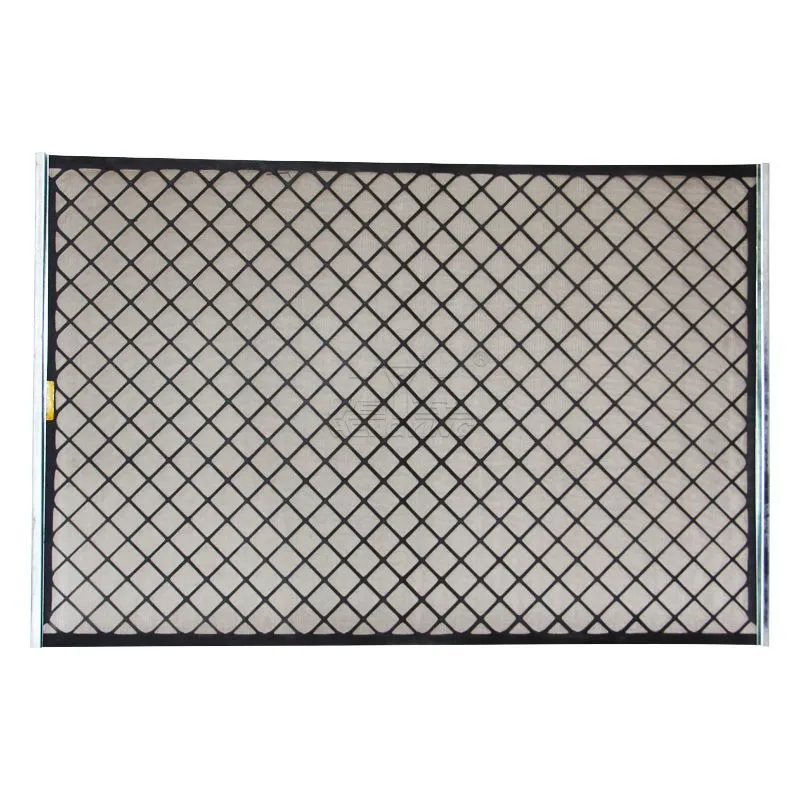
If you work rigs, the shale shaker screen is the front line of solids control. This particular model—Hook Strip Soft Screen from the industrial zone south of Anping Town, Hengshui, Hebei, China—leans into a softer screen surface for higher processing efficiency. To be honest, I was skeptical the first time I saw a soft screen swapped into a high-G shaker in West Texas, but the cuttings dryness and flow stability were, surprisingly, better than the old batch.
What’s trending
Industry-wise, we’re seeing three steady trends: API RP 13C-compliant labeling (non-negotiable now), multi-layer stainless cloth stacks for longer service life, and faster custom turnaround. Operators are mixing water-based muds with higher LGS, and the shale shaker screen has to hold cut point while keeping conductance high enough to avoid flooding. Not trivial.
Process flow in the factory (short version)
- Materials: SS304/SS316L woven wire cloth (2–3 layers), galvanized/stainless hook strips, thermoset epoxy bonding, optional rubber/PU edge sealing.
- Methods: precision cutting, layer alignment, calendering (as needed), epoxy curing, hook-forming, and final trim.
- Testing: API RP 13C d100 cut-point and conductance; peel-strength per ASTM D903 (≈6–9 N/mm); salt-spray per ASTM B117 (≈48–96 h, real-world use may vary); mesh integrity under vibration-fatigue (≈1.0–1.5M cycles).
- Service life: around 300–800 hours depending on mud weight, solids loading, G-force, and handling. Many customers say they hit the upper range with WBM and proper shaker alignment.
- Industries: oil & gas drilling, workover, HDD, geothermal, and a few mining slurry lines that like a soft support.
Product snapshot and specs
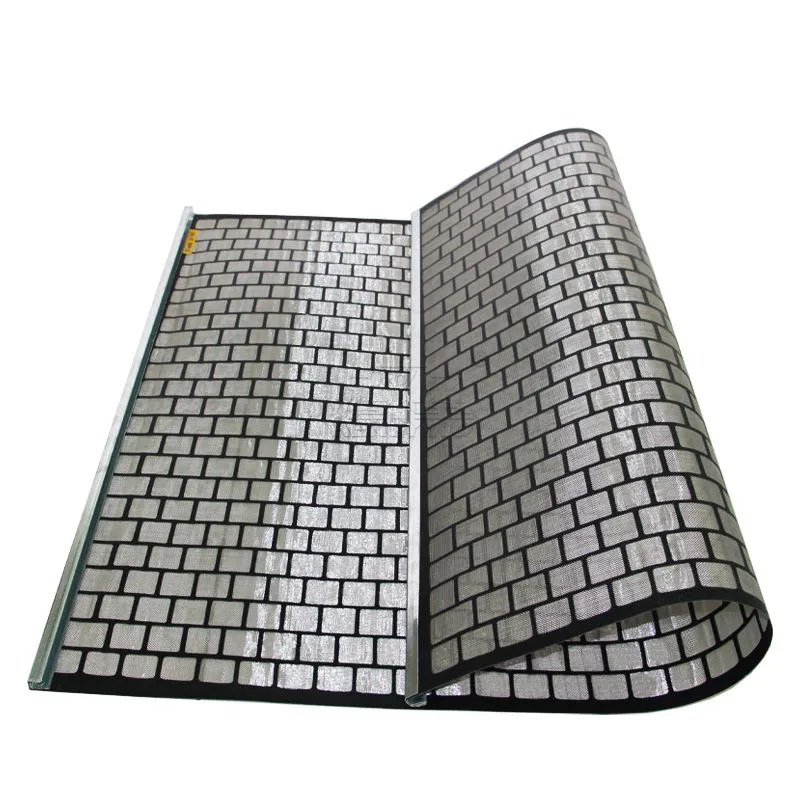
| Product Name | Hook Strip Soft Screen |
| Mesh / API Range | 20–325 mesh; API 20–API 325 (API RP 13C) |
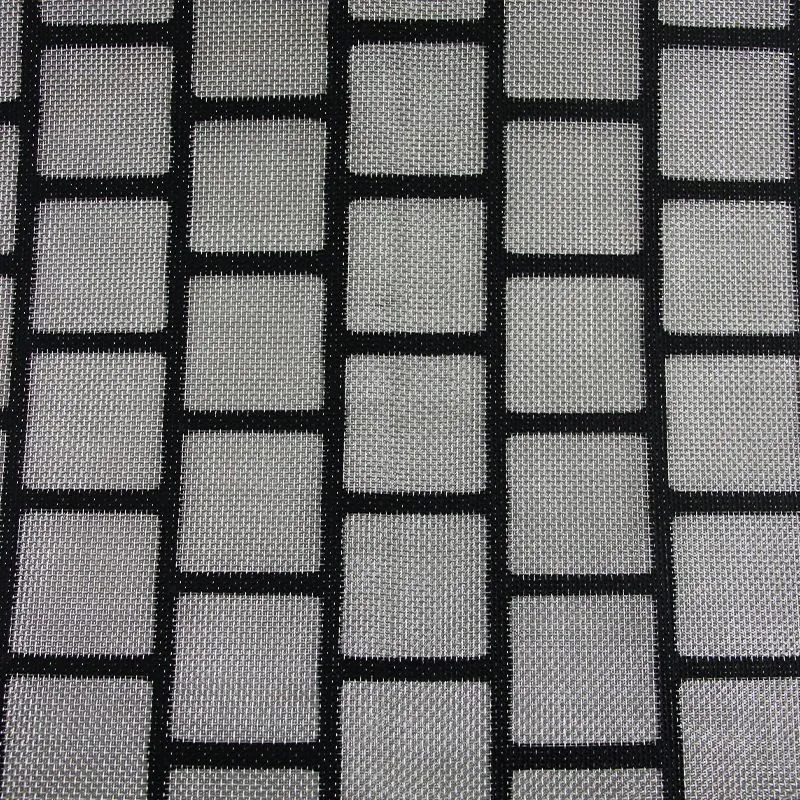
| Layers | 2–3 stainless layers (SS304/SS316L) |
| Conductance (typ.) | ≈0.6–2.2 kD/mm (depends on API slot) |
| Screen Area | ≈0.8–1.2 m² per panel (size dependent) |
| Max Temp | ≈120 °C continuous |
| Compatibility | Common hook-strip shakers (Derrick, M-I SWACO, NOV Brandt)—confirm model |
| Origin | Industrial zone, South of Anping Town, Hengshui, Hebei, China |
Quick lab snapshot (example): API 170 panel tested at d100 ≈ 88 μm, conductance ≈1.1 kD/mm, title matched per API RP 13C label. In the field, the shale shaker screen kept flow stable at 45 Hz with WBM at 1.10 sg.
Vendor comparison (real-world factors)
| Vendor | API 13C Label | Mesh Range | MOQ | Lead Time | Notes |
|---|---|---|---|---|---|
| HF PetroMesh (Hook Strip Soft Screen) | Yes | 20–325 | ≈20–30 pcs | ≈7–12 days | Customization, quick sampling |
| Derrick-compatible supplier | Yes | 20–325 | ≈30 pcs | ≈10–15 days | Premium price, broad stock |
| M-I SWACO-compatible supplier | Yes | 20–270 | ≈20 pcs | ≈8–14 days | Good for WBM, steady QA |
| NOV Brandt-compatible supplier | Yes | 20–325 | ≈25 pcs | ≈9–16 days | Solid for OBM, rugged hooks |
Where it shines (and a quick case)
Best use? High-throughput shakers where blinding risk is moderate. In a Permian pad, an operator swapped to this shale shaker screen on WBM at 1.12 sg; they reported ~12% lower dilution and fewer “screen change” radio calls during peak ROP. Not magic—just consistent cut point and a forgiving soft surface when the deck flexed.
Certifications, compliance, and customization
- API RP 13C labeling for screen designation and conductance.
- Factory QMS: ISO 9001 (documentation available on request).
- Custom options: logo/labeling, mesh stack-ups, SS316L upgrade, edge sealing type, carton or palletized export packs.
Final word: you’ll still need proper shaker angle, tensioning, and housekeeping. But paired with sane mud weights, a well-built shale shaker screen is cheap insurance against downstream headaches.
Authoritative references
- API RP 13C: Recommended Practice on Drilling Fluids Processing Systems—Shaker Screen Testing and Labeling.
- ASTM D903: Standard Test Method for Peel or Stripping Strength of Adhesive Bonds.
- ASTM B117: Standard Practice for Operating Salt Spray (Fog) Apparatus.
- ISO 9001: Quality Management Systems—Requirements.
-
The Ultimate Guide to Choosing a French Drain Grate CoverNewsApr.16,2026
-
Ultimate Guide to Durable Metal Channel Drain Grates for DrainageNewsApr.09,2026
-
Driveway Channel Drain Grate Systems for Effective Water ManagementNewsApr.07,2026
-
Comprehensive Guide to Durable Cast Iron Trench Drain Covers for Various ApplicationsNewsApr.04,2026
-
Comprehensive Guide to Driveway Storm Drain Grates for Optimal Water ManagementNewsMar.31,2026
-
Comprehensive Guide to Durable Steel Driveway Grates for Enhanced DrainageNewsMar.28,2026