- Industrial zone, South of Anping Town, Hengshui, Hebei, China.
- sales@hfpetromesh.com
- +86-18931809706
Enhance Workplace Safety with Durable Grated Metal Stair Treads
Grated Metal Stair Treads: A Comprehensive Guide
Ensuring workplace safety is paramount, and a crucial aspect of that is providing secure footing on stairways. Grated metal stair treads are a robust and reliable solution for a wide range of industrial and commercial applications. This article delves into the benefits, applications, materials, and considerations when choosing grated metal stair treads, offering a thorough overview for facility managers, engineers, and safety professionals. Choosing the right stair treads significantly reduces the risk of slips, trips, and falls, improving overall workplace safety. We’ll explore why these treads are a trusted choice across many industries.
Understanding Grated Metal Stair Treads
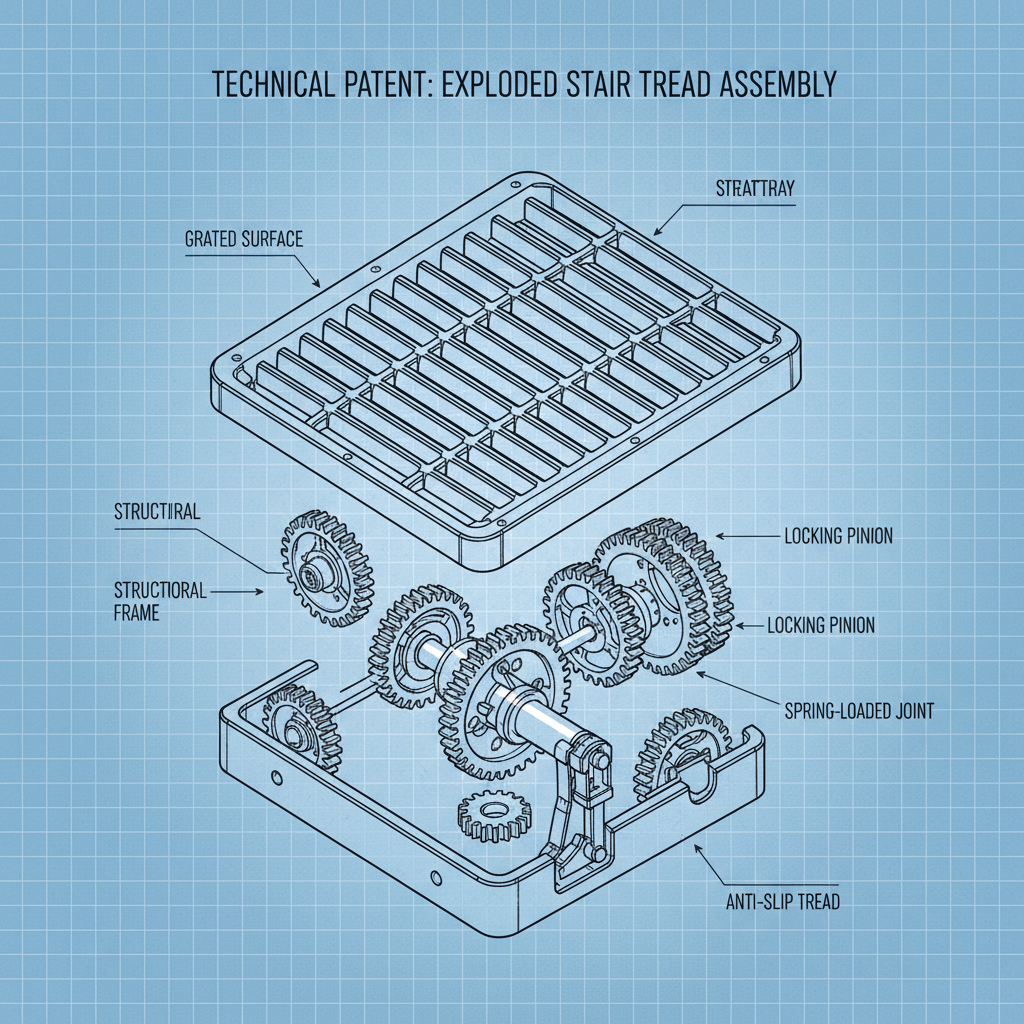
Grated metal stair treads are constructed from metal, typically steel or aluminum, with a series of regularly spaced openings. This design offers excellent traction, even in wet or oily conditions, and allows for drainage of liquids and debris. They are commonly used in industrial plants, oil and gas facilities, construction sites, and commercial buildings. The open grating design provides superior slip resistance compared to solid surfaces, minimizing the risk of accidents. HF PetroMesh provides high-quality, durable, and reliable grated metal stair treads.
Key Highlights: Excellent traction in all weather conditions, durable construction, easy to clean and maintain, and enhance workplace safety.
Materials Used in Grated Metal Stair Treads
The most common materials used for grated metal stair treads are carbon steel, stainless steel, and aluminum. Carbon steel is the most cost-effective option, offering excellent strength and durability. However, it is susceptible to corrosion and requires regular maintenance, such as painting or galvanizing. Stainless steel provides superior corrosion resistance, making it ideal for harsh environments. Aluminum is lightweight and corrosion-resistant, but it is less strong than steel. The choice of material depends on the specific application and environmental conditions. HF PetroMesh offers a range of materials to suit diverse needs.
Material Comparison:
• Carbon Steel: Cost-effective, high strength, requires maintenance.
• Stainless Steel: Superior corrosion resistance, durable, higher cost.
• Aluminum: Lightweight, corrosion-resistant, lower strength.
Grated Metal Stair Treads vs. Other Stair Tread Options
Compared to other stair tread options like diamond plate, concrete, or wood, grated metal stair treads offer several advantages. Diamond plate provides good traction but can become slippery when wet. Concrete can crack and deteriorate over time. Wood is susceptible to rot and decay. Grated metal treads provide consistent traction, require minimal maintenance, and are incredibly durable. They also allow for excellent drainage, preventing water buildup and reducing the risk of ice formation in colder climates. This makes them a long-term cost-effective solution.
Applications of Grated Metal Stair Treads
Grated metal stair treads are utilized in a wide variety of settings. These include industrial facilities such as manufacturing plants, power generation stations, and chemical processing plants. They're also essential in oil and gas refineries, offshore platforms, and marine environments. Commercial applications include construction sites, pedestrian walkways, and public transportation facilities. HF PetroMesh provides solutions tailored to these varied applications.
Selecting the Right Grated Metal Stair Treads
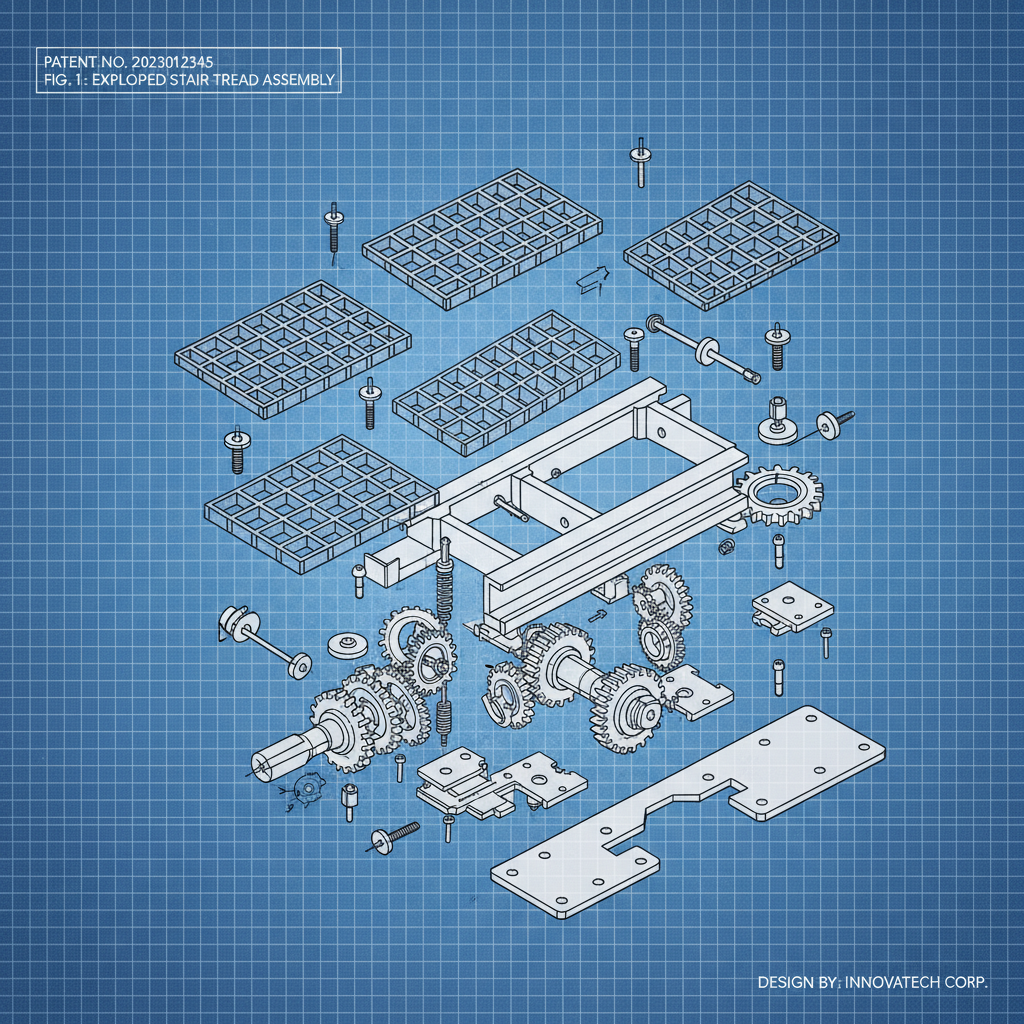
Choosing the right grated metal stair treads involves considering factors such as load capacity, span length, material, and finish. Ensure the treads meet relevant safety standards and regulations. Consider the environmental conditions, such as exposure to corrosion or extreme temperatures. Proper installation is crucial for ensuring the treads are secure and stable. HF PetroMesh offers expert guidance to help you select the optimal treads for your specific needs.
Conclusion: Prioritizing Safety with Grated Metal Stair Treads
Investing in high-quality grated metal stair treads is a crucial step in enhancing workplace safety. Their durability, superior traction, and low maintenance requirements make them a cost-effective solution for a wide range of applications. By prioritizing safety, businesses can reduce the risk of accidents, improve employee morale, and ensure compliance with safety regulations. Don't compromise on safety – choose grated metal stair treads from a trusted provider like HF PetroMesh.
Frequently Asked Questions (FAQs)
What is the typical lifespan of grated metal stair treads?
The lifespan of grated metal stair treads varies depending on the material, environmental conditions, and level of usage. Carbon steel treads may last 10-20 years with proper maintenance (painting or galvanizing). Stainless steel treads can last significantly longer, often exceeding 30 years due to their corrosion resistance. Aluminum treads offer a good balance, typically lasting 20-30 years. Regular inspections for damage or wear are crucial to ensure continued safety and performance.
Are grated metal stair treads suitable for outdoor use?
Yes, grated metal stair treads are generally suitable for outdoor use, especially when constructed from stainless steel or aluminum. These materials are highly corrosion-resistant and can withstand exposure to the elements. However, in areas with heavy snowfall or ice, consider treads with a more open grating pattern to facilitate drainage and prevent ice buildup.
What load capacity should I consider when choosing treads?
Load capacity is a critical factor. Determine the maximum expected load, including the weight of individuals, equipment, and potential dynamic loads. Consult with an engineer to ensure the treads are appropriately sized and constructed to handle the anticipated loads safely. HF PetroMesh can provide guidance on load capacity calculations and recommend suitable treads.
How easy are grated metal stair treads to install?
Installation typically requires welding or bolting the treads to the supporting structure. Proper preparation of the supporting structure is crucial for a secure installation. While some experienced personnel can perform the installation themselves, it's often recommended to engage a qualified contractor to ensure the work is done correctly and safely. Improper installation can compromise the integrity of the stairs and create a safety hazard.
-
The Ultimate Guide to Choosing a French Drain Grate CoverNewsApr.16,2026
-
Ultimate Guide to Durable Metal Channel Drain Grates for DrainageNewsApr.09,2026
-
Driveway Channel Drain Grate Systems for Effective Water ManagementNewsApr.07,2026
-
Comprehensive Guide to Durable Cast Iron Trench Drain Covers for Various ApplicationsNewsApr.04,2026
-
Comprehensive Guide to Driveway Storm Drain Grates for Optimal Water ManagementNewsMar.31,2026
-
Comprehensive Guide to Durable Steel Driveway Grates for Enhanced DrainageNewsMar.28,2026