- Industrial zone, South of Anping Town, Hengshui, Hebei, China.
- sales@hfpetromesh.com
- +86-18931809706
Durable Concrete Weight Coating for Pipelines
Understanding Concrete Weight Coating: A Foundation for Offshore Stability
In the demanding realm of subsea infrastructure, the stability and long-term integrity of pipelines are paramount. This is where concrete weight coating (CWC) emerges as a critical engineering solution. CWC involves applying a dense, robust layer of concrete around steel pipelines, primarily to provide negative buoyancy, ensuring pipelines remain securely on the seabed, resisting movement caused by currents, waves, and seismic activity. Beyond buoyancy control, CWC offers significant mechanical protection against external impacts, abrasion from seabed movement, and provides a degree of thermal insulation for flow assurance in hydrocarbon transport. The industry trend is moving towards deeper waters and more challenging environments, necessitating CWC solutions that are not only denser and more durable but also optimized for faster application and reduced environmental footprint. This demand drives innovation in concrete mixes, application techniques, and quality control, ensuring that pipelines for oil and gas, water, and waste management can withstand the rigors of subsea operation for decades. Furthermore, the specialized nature of these applications, particularly for projects requiring precise buoyancy, often integrates advanced materials such as high-strength steel reinforcement and specialized aggregates, contributing to the overall longevity and performance of the subsea asset. The strategic implementation of CWC is a testament to the industry's commitment to safety, environmental protection, and the uninterrupted flow of vital resources.
Precision Engineering: The Concrete Weight Coating Manufacturing Process
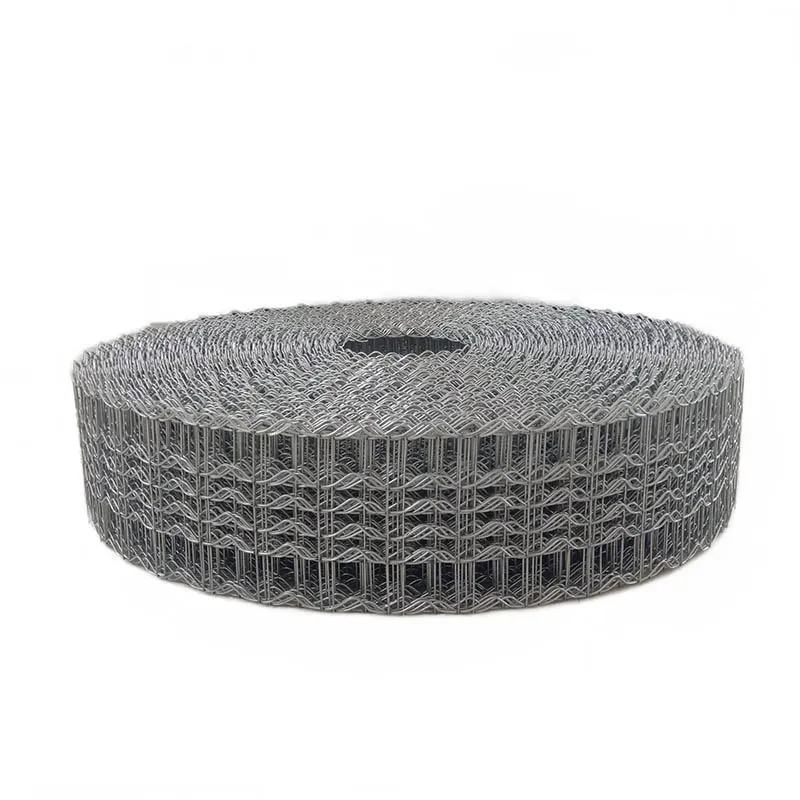
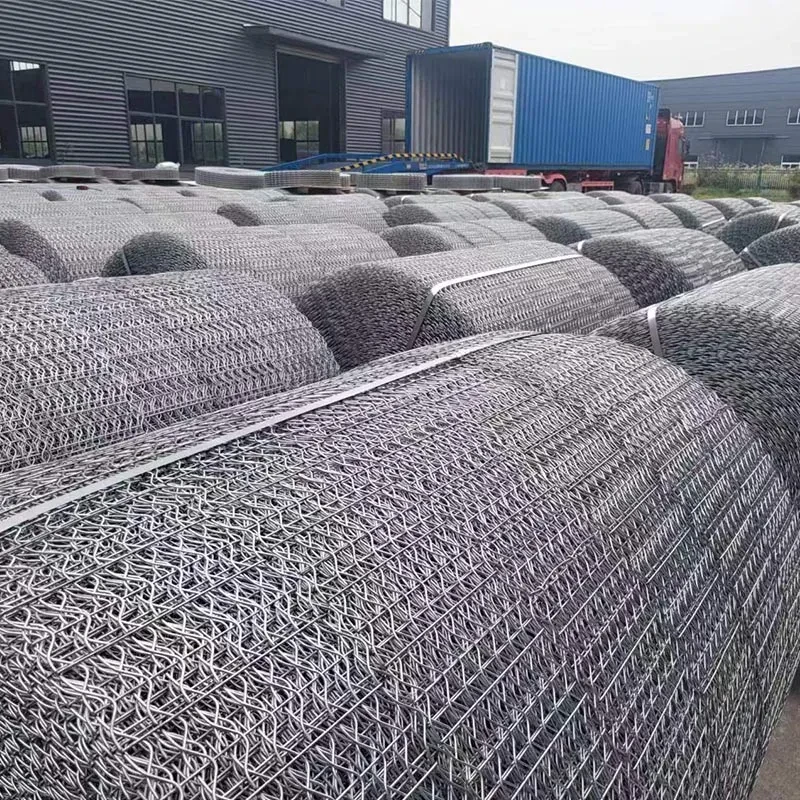
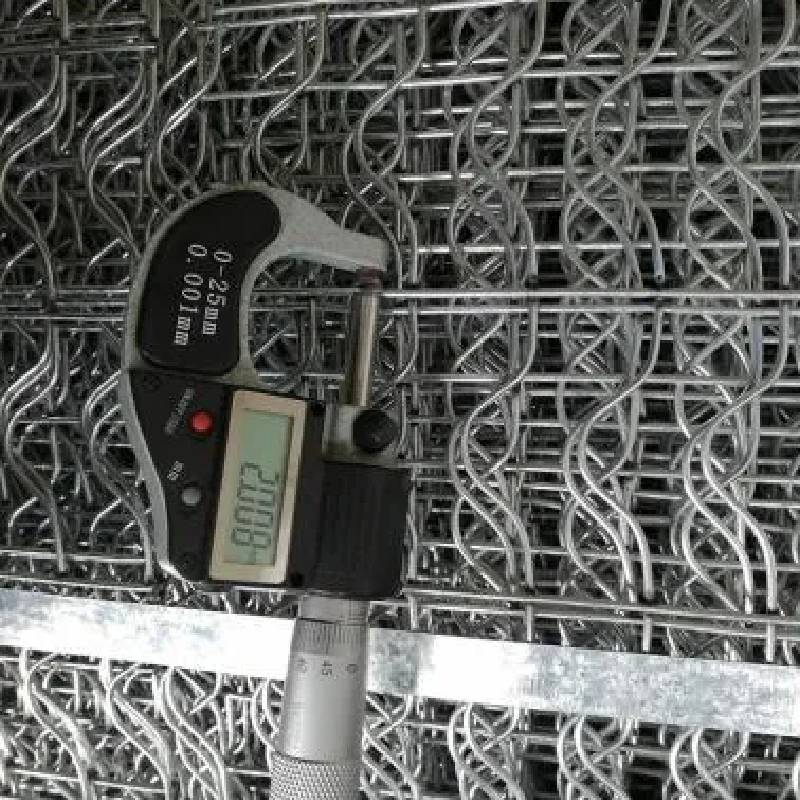
The manufacturing of concrete weight coating is a sophisticated multi-stage process, demanding meticulous attention to detail and adherence to stringent quality controls. It begins with thorough pipe surface preparation, which involves cleaning and often applying an anti-corrosion coating (e.g., FBE - Fusion Bonded Epoxy) to protect the steel pipe beneath the CWC layer. Following this, a steel reinforcement cage, often referred to as concrete weight coating mesh, is precisely wrapped around the pipe. This mesh, typically made from high-strength welded wire, provides structural integrity to the concrete layer, preventing cracking and spalling during handling, installation, and throughout the pipeline's operational life. The concrete itself is then applied using one of two primary methods: the impingement method, where wet concrete is sprayed onto the rotating pipe, or the extrusion method, where concrete is extruded and formed around the pipe. Both methods are designed to achieve a uniform thickness and density. The concrete mix is specially formulated with high-density aggregates like baryte or magnetite to achieve the desired specific gravity, often ranging from 2.8 to 3.2. After application, the coated pipe undergoes a controlled curing process, typically involving steam or water, to achieve its specified compressive and flexural strengths.
Quality inspection is critical throughout the entire process, encompassing checks for coating thickness, density, concentricity, holiday detection for the anti-corrosion layer, and visual inspection for surface defects. Finished products are tested to international standards such as ISO 21809-5 for external field joint coatings, ASTM C39 for compressive strength, and relevant API standards, ensuring robust performance. These rigorous checks guarantee that the finished concrete weight coating pipe can withstand the immense pressures and corrosive environments encountered in offshore applications. The use of advanced manufacturing technologies, including automated application systems and real-time monitoring, ensures consistency and reduces human error. This comprehensive approach results in a product with an exceptional design life, often exceeding 50 years, suitable for a myriad of industries including petrochemicals, where flow assurance and protection from external forces are vital; metallurgy, in specialized applications requiring heavy-duty pipeline support; and water supply and drainage systems, where long-term stability in diverse aquatic environments is crucial. The inherent advantages include superior corrosion resistance, augmented mechanical protection, and improved thermal insulation, contributing significantly to operational efficiency and environmental safety.
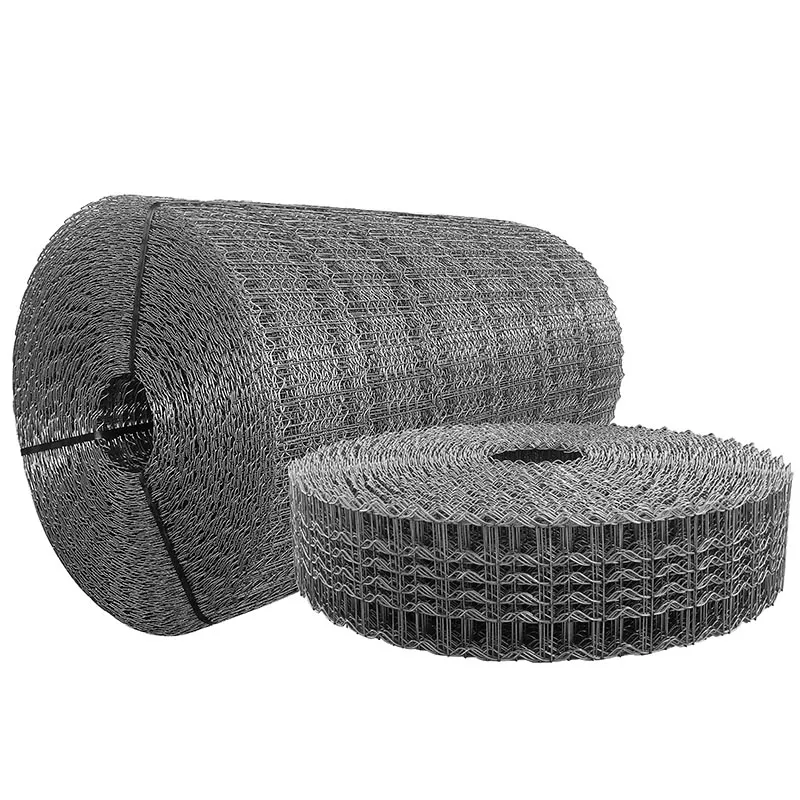
Key Technical Parameters and Performance Metrics
The effectiveness of concrete weight coating is quantifiable through a range of critical technical parameters, each playing a vital role in determining its suitability for specific subsea applications. The density of the concrete, typically expressed in kilograms per cubic meter (kg/m³) or specific gravity, is paramount for achieving the required negative buoyancy. High-density aggregates enable specific gravities ranging from 2.8 to 3.2, crucial for pipelines operating in deep waters or dynamic seabed conditions. Coating thickness, measured in millimeters, directly impacts the overall weight and buoyancy characteristics, as well as the level of mechanical protection offered. This thickness must be precisely controlled and uniform along the pipe length to avoid uneven stress distribution. Compressive strength, usually measured in MegaPascals (MPa) after 28 days of curing, indicates the concrete's ability to withstand axial and radial loads without crushing, ensuring structural integrity during laying and operational phases. Similarly, flexural strength, also in MPa, measures the concrete's resistance to bending and cracking, particularly important for pipe sections experiencing localized stress or movement.
Water absorption, expressed as a percentage, is another crucial parameter, indicating the concrete's porosity and its resistance to degradation from water ingress, which can affect long-term durability and potentially lead to corrosion of the steel reinforcement within the concrete weight coating mesh. For example, a low water absorption rate of less than 3% is desirable for extended subsea life. The operational service temperature range dictates the environmental conditions the coating can withstand without compromising its physical properties, typically ranging from -10°C to +80°C for most offshore applications. Furthermore, the applicable pipe diameter range (e.g., from 4 inches to 60 inches or 100 mm to 1500 mm) signifies the versatility of the CWC application system. These parameters, when combined, define the performance envelope of the concrete weight coating pipe, ensuring it can provide reliable buoyancy control, mechanical protection, and contribute to the overall stability and longevity of the subsea pipeline system under diverse and often extreme operational demands. Through rigorous testing and quality assurance, manufacturers ensure that these parameters meet or exceed the specified project requirements and industry standards.
| Parameter | Typical Range/Value | Significance |
|---|---|---|
| Density (Specific Gravity) | 2.8 – 3.2 SG (2800 – 3200 kg/m³) | Ensures negative buoyancy and pipeline stability on seabed. |
| Coating Thickness | 40 mm – 150 mm (1.5 – 6 inches) | Controls total pipe weight and offers mechanical protection. |
| Compressive Strength (28 days) | ≥ 40 MPa (5800 psi) | Resistance to crushing under load; ensures structural integrity. |
| Flexural Strength | ≥ 4 MPa (580 psi) | Resistance to bending and cracking during installation and operation. |
| Water Absorption | Typically < 3% | Indicates durability and resistance to degradation from water ingress. |
| Operational Temperature Range | -10°C to +80°C | Suitability for diverse subsea environmental conditions. |
Versatile Application Scenarios and Distinct Technical Advantages
The strategic deployment of concrete weight coating extends across a diverse array of challenging marine and terrestrial environments, each benefiting uniquely from its robust properties. In offshore deepwater projects, CWC is indispensable for achieving precise negative buoyancy, allowing pipelines to sink and remain stable on the seabed, even in areas with complex topography or strong currents. For river crossings and shore approaches, CWC mitigates the risk of pipeline flotation, scour, and external damage from anchors or dredging activities, ensuring long-term integrity in dynamic transition zones. In marshy or swampy terrains, where traditional anchoring methods are impractical, CWC provides the necessary weight for stability without extensive civil works. Beyond buoyancy, the mechanical protection offered by concrete weight coating pipe is critical; it shields the inner pipe from external impacts, abrasion, and punctures that could occur during installation, operation, or from fishing activities and accidental third-party interventions. This physical barrier significantly extends the operational lifespan of the pipeline by safeguarding its crucial anti-corrosion layers.
Furthermore, concrete weight coating provides a degree of thermal insulation, which is vital for flow assurance in pipelines transporting viscous fluids like crude oil or heated water. By maintaining optimal temperatures, it prevents fluid solidification or viscosity increases, thus reducing pumping energy requirements and operational costs. It also mitigates interference with cathodic protection systems, acting as a dielectric barrier that helps distribute protective currents evenly along the pipe. Compared to alternative stabilization methods such as continuous trenching, concrete mattresses, or rock dumping, CWC offers a more integrated, cost-effective, and environmentally less disruptive solution. Its uniformity ensures even stress distribution, reducing localized strain points that could compromise pipe integrity. The inherent density of the coating ensures immediate and consistent negative buoyancy, which can simplify complex laying procedures, especially in deepwater or highly active environments. The adaptability of CWC, allowing for tailored densities and thicknesses, ensures it remains a primary choice for engineers seeking reliable and durable pipeline stabilization solutions across the globe. This comprehensive suite of advantages underscores its irreplaceable role in modern pipeline engineering, providing both stability and long-term protection.
Choosing the Right Partner: Manufacturer Comparison and Custom Solutions
Selecting the ideal manufacturer for concrete weight coating is a strategic decision that directly impacts the success, safety, and longevity of critical infrastructure projects. Key criteria for evaluating potential partners include their extensive industry experience, particularly in complex offshore and challenging onshore environments. A reputable manufacturer will possess comprehensive certifications such as ISO 9001 (Quality Management), ISO 14001 (Environmental Management), and ISO 45001 (Occupational Health and Safety), demonstrating their commitment to international standards and best practices. Robust R&D capabilities are crucial, indicating a manufacturer's ability to innovate and adapt to evolving project demands, such as developing lighter, stronger, or more environmentally friendly concrete mixes. Furthermore, a proven track record in project management, including adherence to strict timelines and budget controls, is essential for seamless execution from design to delivery. The ability to provide tailored solutions is a hallmark of a leading provider; every pipeline project has unique requirements, from specific buoyancy targets to environmental conditions, necessitating bespoke engineering.
Custom solutions for concrete weight coating pipe involve precise adjustments to specific gravity, coating thickness, and the type of aggregates used to meet exact buoyancy requirements for specific water depths or seabed conditions. For instance, in deepwater installations, higher specific gravities achieved through baryte or magnetite aggregates are often necessary to overcome significant hydrostatic uplift. The design and quality of the internal steel reinforcement, or concrete weight coating mesh, is also customized based on the pipe diameter, wall thickness, and anticipated loads, ensuring the structural integrity of the CWC layer itself. Beyond material specifications, customization extends to the application method, curing protocols, and even the logistics of transport and handling to remote project sites. Experienced manufacturers understand the intricacies of project-specific needs, offering detailed consultation, advanced simulations, and prototyping services to validate performance before full-scale production. They integrate their expertise in material science, mechanical engineering, and logistics to deliver a product that is not just a coating, but an integral, high-performance component of the overall pipeline system, ensuring optimal functionality and extended operational life. This partnership approach minimizes risks and maximizes the value delivered to clients.
Real-World Impact: Application Cases and Proven Experience
The true measure of a concrete weight coating solution lies in its performance in real-world application scenarios, particularly in projects where the stakes are exceptionally high. Consider a recent deepwater gas pipeline project in the Gulf of Mexico, where extreme seabed unevenness and strong subsea currents posed significant challenges to pipeline stability. The chosen CWC solution featured a high specific gravity (3.2 SG) achieved through specialized magnetite aggregates and a uniform coating thickness of 100mm, reinforced by a robust concrete weight coating mesh. This precise engineering ensured the pipeline maintained continuous seabed contact, resisting scour and movement even during severe weather events. Another compelling case involves a major water supply pipeline crossing a dynamic riverbed in Southeast Asia. Here, the CWC was critical for preventing flotation and abrasion from seasonal floods and sediment transport. The project benefited from a tailored coating density and a highly durable finish, allowing the pipeline to withstand decades of environmental stress without requiring costly interventions. These examples underscore the critical role of expertise and experience in translating theoretical parameters into tangible, long-term project success.
Beyond large-scale infrastructure, concrete weight coating also plays a vital role in smaller, yet equally critical, applications such as shore approaches for power cables and outfall pipes for industrial facilities. In these near-shore environments, pipelines are exposed to wave action, tidal currents, and potential impact from marine traffic or debris. A meticulously applied CWC provides the necessary ballasting and mechanical protection to ensure these lines remain secure and operational. Client feedback consistently highlights the reliability and longevity of properly designed and applied concrete weight coating pipe. Engineers and project managers report reduced maintenance requirements, enhanced operational safety, and prolonged asset life, directly translating to significant cost savings over the pipeline's lifecycle. Our service cases span a multitude of geographical locations and environmental conditions, demonstrating our adaptability and deep understanding of diverse project needs. This extensive experience, combined with a commitment to continuous improvement and client satisfaction, positions us as a trusted partner in delivering high-performance CWC solutions that meet the most rigorous industry demands and exceed client expectations for durability and operational integrity.
Ensuring Trust: Quality Assurance, Delivery, and Customer Support
Trustworthiness is built on a foundation of rigorous quality assurance, transparent delivery processes, and unwavering customer support, all integral to the provision of high-performance concrete weight coating. Our quality management system encompasses every phase, from the meticulous selection and inspection of raw materials—including cement, aggregates, and the steel for the concrete weight coating mesh—to in-process monitoring of concrete mix ratios, application parameters (thickness, concentricity), and curing conditions. Final product testing involves comprehensive checks for physical properties such as density, compressive strength, flexural strength, and adhesion, all performed in accredited laboratories to international standards. This commitment to quality is reinforced by certifications like ISO 9001:2015, which validate our adherence to globally recognized best practices for manufacturing and service delivery. We understand that timely delivery is critical to pipeline project schedules. Our logistics team employs sophisticated planning and tracking systems to ensure efficient dispatch and global shipping, coordinating with clients for optimal lead times and seamless integration into their construction timelines. Typical lead times vary based on project scale and complexity but are always communicated clearly and managed proactively to mitigate delays.
Our warranty commitment for concrete weight coating pipe reflects our confidence in the durability and performance of our products, typically covering defects in materials and workmanship for a defined period, ensuring peace of mind for our clients. Beyond the sale, our customer support extends to technical consultation, installation guidance, and troubleshooting, with a dedicated team available to address any inquiries or challenges. We believe in fostering long-term partnerships built on reliability and mutual trust. Our FAQ section addresses common queries from B2B decision-makers and technical personnel, covering topics such as: "What is the typical lifespan of concrete weight coating?", "How do you ensure consistent density and thickness?", "Can CWC be applied to previously coated pipes?", and "What are the considerations for field joint coating?" We also provide clear instructions on handling and storage to maintain product integrity prior to installation. This holistic approach, combining expert manufacturing with robust post-sales support, underscores our dedication to delivering not just a product, but a complete solution that contributes to the enduring success and safety of our clients' subsea infrastructure projects.
References
- DNV GL. (2018). DNVGL-RP-F106: Factory Applied External Pipeline Coatings for Corrosion and Weight Coating.
- ISO. (2018). ISO 21809-5: Petroleum and natural gas industries—External coatings for buried or submerged pipelines used in pipeline transportation systems—Part 5: External concrete coatings.
- American Petroleum Institute (API). (2012). API RP 5LW: Recommended Practice for Transportation of Line Pipe.
- Mohitpour, M., Murray, A., & Gair, S. (2007). Pipeline Design and Construction: A Practical Approach. ASME Press.
- Palmer, A. C., & King, R. A. (2008). Subsea Pipeline Engineering. PennWell Books.
-
The Ultimate Guide to Choosing a French Drain Grate CoverNewsApr.16,2026
-
Ultimate Guide to Durable Metal Channel Drain Grates for DrainageNewsApr.09,2026
-
Driveway Channel Drain Grate Systems for Effective Water ManagementNewsApr.07,2026
-
Comprehensive Guide to Durable Cast Iron Trench Drain Covers for Various ApplicationsNewsApr.04,2026
-
Comprehensive Guide to Driveway Storm Drain Grates for Optimal Water ManagementNewsMar.31,2026
-
Comprehensive Guide to Durable Steel Driveway Grates for Enhanced DrainageNewsMar.28,2026