- Industrial zone, South of Anping Town, Hengshui, Hebei, China.
- sales@hfpetromesh.com
- +86-18931809706
Derrick Pyramid Screens: Superior Shaker Efficiency & Durability
Industry Trends and the Evolution of Solids Control
The global energy sector, particularly oil and gas drilling, continually seeks advanced solutions to optimize operational efficiency, minimize environmental impact, and reduce costs. A critical component in achieving these objectives is effective solids control, which directly impacts drilling fluid integrity and equipment longevity. Traditional flat shale shaker screen technologies have steadily evolved, driven by the demand for higher processing capacity and finer cut points. This evolution has led to significant innovations, among them the development of multi-layered, corrugated screen designs.
The industry is increasingly shifting towards high-performance derrick shaker screens that offer enhanced non-blinding characteristics and extended service life. Factors such as the rising cost of drilling mud, stricter environmental regulations, and the prevalence of challenging drilling conditions (e.g., high-temperature, high-pressure, or highly viscous drilling fluids) necessitate superior solids separation. This trend highlights a growing preference for specialized screen technologies that can deliver both efficiency and durability, positioning products like advanced pyramid screens at the forefront of modern drilling operations. Suppliers like any leading shale shaker screen china factory are responding with innovative designs and materials.
Understanding derrick pyramid screens: Technical Specifications and Structure
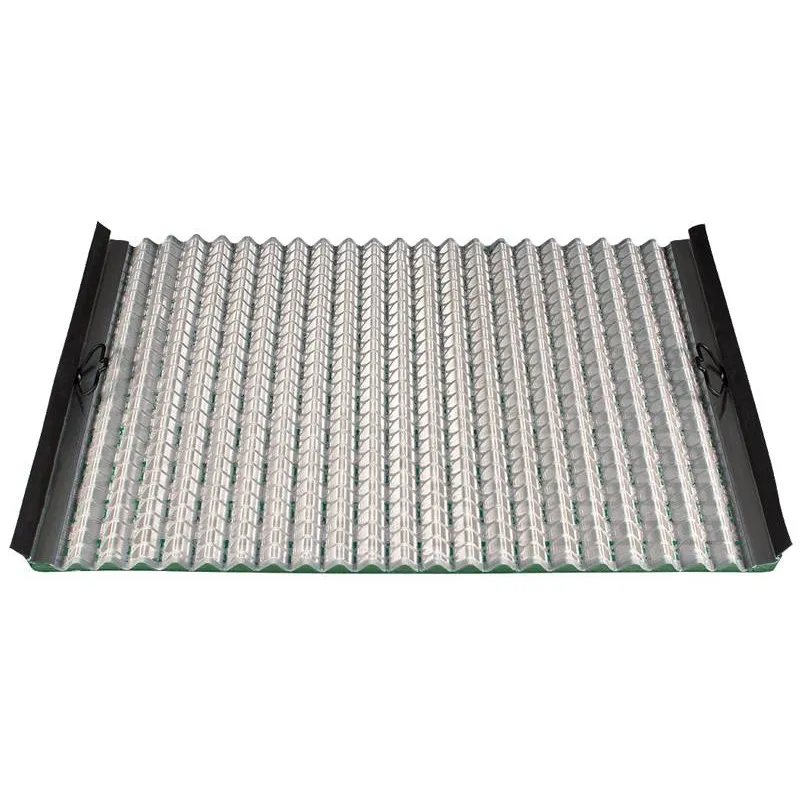
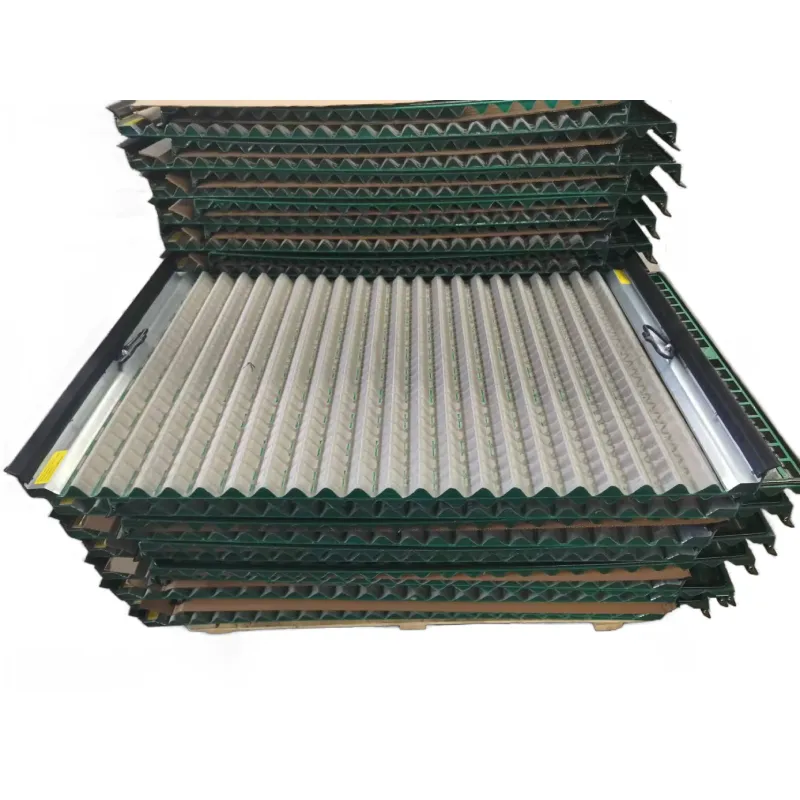
derrick pyramid screens represent a significant leap in solids control technology. Unlike conventional flat screens, these are engineered with a unique corrugated or pyramid-shaped surface, which dramatically increases the active screening area within the same shaker footprint. This multi-layered design typically features several layers of high-grade stainless steel wire mesh, bonded to a robust steel frame or composite frame. The frame itself is designed for rigidity and ease of installation, ensuring a secure fit on compatible shale shakers.
Key Structural Components:
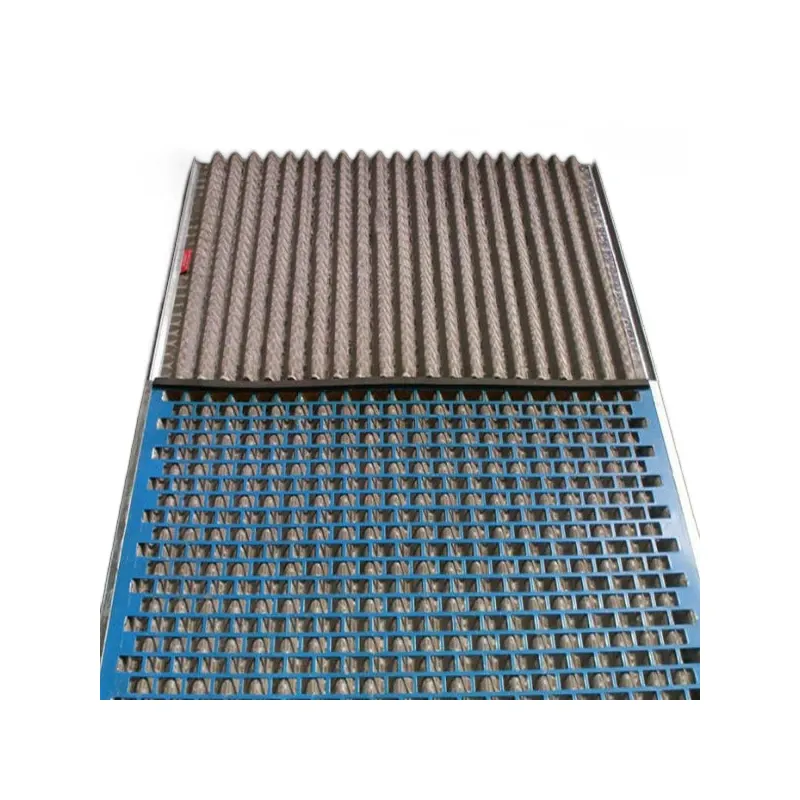
- Wire Mesh Layers: Typically made from 304 or 316L stainless steel, offering excellent corrosion resistance and mechanical strength. Multiple layers, each with a different mesh size, are strategically stacked to optimize filtration efficiency and particle size separation.
- Pyramid/Corrugated Design: The defining feature, creating a greater surface area without increasing the physical dimensions of the screen panel. This allows for significantly higher fluid processing capacity and finer cut points.
- Frame Structure: Available in steel or advanced composite materials. Composite frames often provide superior vibration damping, reduced weight, and enhanced corrosion resistance compared to steel, contributing to extended screen life.
- Bonding Agent: High-strength adhesive or welding techniques are used to securely bond the mesh layers to the frame, preventing delamination even under aggressive operating conditions.
Technical Parameters:
Adherence to API RP 13C (Recommended Practice for Shaker Screen Designation) is paramount for ensuring consistent performance and interchangeability. This standard defines parameters such as D100 separation point, conductance, and non-blanked area, providing a standardized method for comparing shale shaker screen performance.
| Parameter | Description | Typical Value/Range |
|---|---|---|
| Mesh Material | High-strength stainless steel | SS304, SS316L |
| Frame Material | Steel or composite | Q235 steel, Polyurethane composite |
| API RP 13C Sizes | Standardized mesh designation | API 60 to API 400 (e.g., API 120, API 200) |
| Effective Screening Area | Area available for fluid passage, enhanced by pyramid design | Up to 120-150% more than flat screens |
| Conductance (kiloDarcy) | Measure of fluid flow rate through the screen | Varies by API number (e.g., API 120 approx. 400 kD, API 200 approx. 180 kD) |
| Non-Blinding Area | Open area for fluid passage without solids obstruction | High, due to corrugated surface promoting solids dislodgment |
| Service Life | Expected operational lifespan | Typically 2-3 times longer than flat screens, depending on application |
These specifications underscore the advanced engineering behind derrick pyramid screens, making them an indispensable tool for efficient solids control.
The Manufacturing Process of Advanced derrick pyramid screens
The production of high-quality derrick pyramid screens is a meticulous process, combining precision engineering with robust material science. It ensures that each screen meets the demanding performance criteria of the oil and gas industry.
Process Flow:
1. Material Selection & Preparation
Materials: Premium 304 or 316L stainless steel wire for mesh, high-grade steel (Q235) or engineering composites for frames, specialized bonding agents.
Sheets of wire mesh are carefully inspected for defects and cut to precise dimensions. Frame materials undergo initial shaping (e.g., cutting, bending).
2. Mesh Layer Assembly & Corrugation
Process: Multi-layer stacking, advanced crimping/corrugation.
Multiple mesh layers of varying fineness are stacked. The assembly then undergoes a specialized corrugation process, forming the characteristic pyramid or corrugated profile, which maximizes the effective screening area.
3. Frame Fabrication & Bonding
Process: Welding (for steel), Injection Molding (for composite), High-strength adhesive bonding.
Steel frames are welded with precision. Composite frames are typically injection molded. The corrugated mesh panel is then securely bonded to the frame using a high-strength, chemical-resistant adhesive, followed by curing.
4. Quality Control & Testing
Standards: ISO 9001:2015, API RP 13C, internal stringent QC protocols.
Each screen undergoes rigorous testing including visual inspection, dimensional checks, mesh integrity tests, and API RP 13C compliance verification for conductance and separation efficiency. This ensures adherence to international standards.
5. Finishing & Packaging
After passing all QC checks, screens are cleaned, sometimes treated with corrosion-inhibiting coatings, and then carefully packaged to prevent damage during transit to clients globally, including shale shaker screen factory outlets and shale shaker screen supplier networks.
This controlled manufacturing environment ensures that every derrick pyramid screens delivers optimal performance, exceptional service life, and adherence to industry-leading standards like ISO and API. Target industries for these screens include petrochemical, oil and gas drilling, mining, and municipal water supply & drainage, where robust solids separation is crucial. The corrosion resistance inherent in the stainless steel and optional composite frames ensures long-term performance even in aggressive chemical environments, contributing to significant energy saving by optimizing fluid reuse.
Technical Advantages and Application Scenarios
The advanced design of derrick pyramid screens translates into a multitude of technical and operational advantages, making them a preferred choice across various demanding applications.
Key Advantages:
- Increased Processing Capacity: The corrugated surface can provide 120-150% more effective screening area than flat screens of the same footprint. This allows operators to process drilling fluid at higher flow rates, reducing bypass and maintaining optimal mud properties.
- Enhanced Separation Efficiency: The multi-layered design and optimized flow path improve particle separation, yielding cleaner drilling fluid. This reduces drilling mud consumption and associated disposal costs.
- Extended Service Life: The robust construction, premium materials, and reduced localized stress points (due to the corrugated design) lead to significantly longer screen life, often doubling or tripling that of conventional screens. This minimizes downtime and replacement costs.
- Superior Non-Blinding Properties: The pyramid peaks and valleys, combined with optimized screen tension, promote continuous self-cleaning action. This reduces screen blinding, especially with sticky or fine solids, ensuring consistent performance.
- Cost-Effectiveness: While the initial investment might be higher, the cumulative savings from reduced mud loss, extended screen life, less frequent replacements, and improved drilling efficiency result in a lower total cost of ownership.
- Corrosion Resistance: Utilizing stainless steel mesh and optional composite frames ensures excellent resistance to corrosive drilling fluids and environmental factors, extending operational life in harsh conditions.
Typical Application Scenarios:
- Oil & Gas Drilling (Onshore & Offshore): Widely used in all phases of drilling, from top-hole to deep-well sections, to maintain drilling fluid integrity by efficiently removing drilled solids. Particularly beneficial in high-rate drilling environments or with challenging fluid types.
- Horizontal Directional Drilling (HDD): Critical for managing drilling mud in trenchless construction projects, ensuring bore stability and environmental compliance. The high capacity of derrick shaker screens is a key advantage here.
- Mining & Mineral Processing: For dewatering and solids separation in slurries and process streams, improving efficiency of mineral recovery and waste management.
- Environmental & Waste Management: Used in municipal and industrial wastewater treatment plants for initial coarse screening or sludge dewatering, demonstrating their versatility beyond drilling.
- Tunneling & Civil Engineering: Similar to HDD, these screens are crucial for managing bentonite and other slurries used in tunneling operations.
In these scenarios, the ability of derrick pyramid screens to handle higher flow rates with superior separation efficiency directly translates into operational savings, reduced environmental footprint, and improved overall project timelines.
Vendor Comparison and Customized Solutions
Selecting the right shale shaker screen supplier is crucial for ensuring peak solids control performance. While many shale shaker screen china factories offer products, discerning buyers look for a combination of quality, innovation, and robust support.
Key Differentiators in Vendor Comparison:
- Adherence to API Standards: A reputable shale shaker screen factory will rigorously test and certify their screens to API RP 13C.
- Material Quality: The use of certified 304/316L stainless steel and high-grade frame materials is non-negotiable for durability and performance.
- Manufacturing Precision: Advanced manufacturing techniques, including robotic welding and automated mesh bonding, ensure consistent quality.
- Innovation & R&D: Leading vendors continuously invest in R&D to develop improved designs, such as multi-layer derrick pyramid screens with enhanced conductance.
- Technical Support: Access to expert technical support for screen selection, troubleshooting, and optimization is invaluable.
- Supply Chain Reliability: The ability to deliver screens consistently and globally, minimizing lead times, is critical for continuous operations.
| Feature | Conventional Flat Screens | Advanced derrick pyramid screens |
|---|---|---|
| Effective Screening Area | Standard, limited by physical footprint | Up to 150% greater than flat screens for same footprint |
| Fluid Capacity | Moderate | Significantly higher, allows for increased flow rates |
| Screen Life | Shorter (e.g., 50-100 hours) | Extended (e.g., 150-300+ hours), reduced replacements |
| Blinding Resistance | Prone to blinding with fine or sticky solids | Excellent, self-cleaning action of corrugated surface |
| Solids Removal Efficiency | Good, but can fluctuate with blinding | Consistent and superior, leading to cleaner mud |
| Total Cost of Ownership | Higher due to frequent replacements and mud loss | Lower due to extended life and improved drilling economics |
Customized Solutions:
Recognizing that no two drilling operations are identical, leading manufacturers offer customized derrick shaker screen solutions. This includes:
- Specific Mesh Combinations: Tailoring the layers of mesh to achieve precise cut points (e.g., specific D100 values) and fluid conductivity for unique drilling fluid formulations or challenging geological formations.
- Frame Adaptations: Custom frames for non-standard shaker models or specialized mounting requirements. Composite frame options are available for environments requiring maximum chemical resistance or reduced weight.
- Material Selection for Extreme Conditions: Using advanced alloys for the mesh or specialized coatings for frames to withstand extreme temperatures, highly corrosive fluids, or abrasive solids.
- Branding and Packaging: Private labeling and customized packaging for large volume partners or distribution networks.
These bespoke solutions ensure that clients receive screens optimally suited for their specific operational demands, further enhancing efficiency and cost-effectiveness. A strong shale shaker screen supplier will offer in-depth consultation services to develop these tailored solutions.
Application Case Studies and Customer Experience
The real-world performance of derrick pyramid screens consistently demonstrates their value in optimizing solids control operations. Through various deployments, these screens have proven their ability to enhance efficiency and deliver significant cost savings.
Case Study 1: Deepwater Drilling in the Gulf of Mexico
A major offshore drilling contractor faced challenges with high fluid loss and frequent screen replacements during deepwater drilling operations. Traditional flat derrick shaker screens were blinding rapidly due to fine, sticky solids and high flow rates. By switching to derrick pyramid screens (API 200 equivalent) with composite frames, they observed a:
- 50% reduction in screen consumption per well due to extended lifespan.
- 15% improvement in drilling fluid recovery, minimizing mud costs and disposal volumes.
- 20% increase in average drilling rate attributed to consistently cleaner drilling fluid and reduced downtime for screen changes.
"The pyramid screens have been a game-changer for our deepwater operations. The longevity and non-blinding characteristics mean we spend less time changing screens and more time drilling. We've seen a tangible impact on our bottom line," reports the Senior Drilling Engineer.
Case Study 2: Horizontal Drilling in Permian Basin
An onshore operator specializing in horizontal wells in the Permian Basin struggled with high volumes of fine solids generated during lateral drilling. Their existing shale shaker screen setup required constant monitoring and frequent washing, impacting operational efficiency. Implementing derrick pyramid screens (API 120 and API 170) allowed them to:
- Achieve 30% higher processing rates without fluid bypass, handling increased solids loading more effectively.
- Extend screen service life by 2.5 times compared to their previous flat screens.
- Reduce waste volume by 10% through more efficient solids capture and drier cuttings.
"The switch to pyramid screens drastically reduced our screen inventory and improved our mud cleaning. Our crews appreciate the reduced manual intervention needed, allowing them to focus on other critical tasks," stated the Solids Control Manager.
General Customer Feedback Highlights:
- Consistency: Operators consistently report stable performance and predictable separation efficiency throughout the screen's lifespan.
- Ease of Installation: Designed for direct interchangeability with OEM screens, minimizing installation time and complexity.
- Reliability: High-quality materials and manufacturing mean fewer premature failures and greater confidence in continuous operation.
Commitment to Trustworthiness: FAQ, Lead Time, Warranty & Support
Building strong, trustworthy relationships with B2B clients requires transparency and reliable service. As a leading shale shaker screen supplier, we are committed to providing comprehensive support throughout the entire product lifecycle.
Frequently Asked Questions (FAQ):
Lead Time and Fulfillment:
We understand the time-sensitive nature of drilling operations. Our efficient production facilities and robust logistics network ensure timely delivery.
- Standard Orders: Typically 7-14 business days, depending on order volume and destination.
- Expedited Orders: Available upon request for urgent requirements, with reduced lead times.
- Global Shipping: Partnerships with leading freight forwarders ensure reliable delivery worldwide, from any shale shaker screen china factory directly to your site.
Warranty Commitments:
All our derrick pyramid screens are backed by a comprehensive warranty against manufacturing defects.
- Standard Warranty: 12 months from the date of purchase or 6 months from installation (whichever comes first) covering material and workmanship.
- Performance Guarantee: We stand by the performance parameters published for our screens under normal operating conditions.
Customer Support and After-Sales Service:
Our commitment extends beyond delivery. We provide robust after-sales support to ensure continuous optimal performance.
- Technical Assistance: Experienced engineers are available to provide guidance on screen selection, optimization, and troubleshooting.
- Field Support: For complex issues or large-scale projects, on-site technical support can be arranged.
- Feedback Loop: We actively solicit customer feedback to continuously improve our products and services, maintaining our status as a preferred shale shaker screen supplier.
Our dedication to quality, reliability, and customer satisfaction makes us a trusted partner in solids control.
References
- American Petroleum Institute. API Recommended Practice 13C: Recommended Practice for Drilling Fluid Processing Systems Evaluation. 5th ed. Washington, D.C.: API Publishing, 2020.
- ISO 9001:2015 Quality management systems – Requirements. International Organization for Standardization, 2015.
- Oilfield Technology. "The Evolution of Shaker Screen Technology." Palaver Publishing, 2019.
- Society of Petroleum Engineers. "Advanced Shaker Screen Design for Enhanced Solids Removal and Reduced Mud Losses." SPE Drilling & Completion Journal, 2021.
- Drilling Contractor Magazine. "Optimizing Solids Control for Challenging Formations." International Association of Drilling Contractors, 2022.
-
The Ultimate Guide to Choosing a French Drain Grate CoverNewsApr.16,2026
-
Ultimate Guide to Durable Metal Channel Drain Grates for DrainageNewsApr.09,2026
-
Driveway Channel Drain Grate Systems for Effective Water ManagementNewsApr.07,2026
-
Comprehensive Guide to Durable Cast Iron Trench Drain Covers for Various ApplicationsNewsApr.04,2026
-
Comprehensive Guide to Driveway Storm Drain Grates for Optimal Water ManagementNewsMar.31,2026
-
Comprehensive Guide to Durable Steel Driveway Grates for Enhanced DrainageNewsMar.28,2026