- Industrial zone, South of Anping Town, Hengshui, Hebei, China.
- sales@hfpetromesh.com
- +86-18931809706
Comprehensive Guide to Selecting the Right 6 Trench Drain Grate for Your Needs
Understanding the Versatility of a 6 Trench Drain Grate
Effective water management is crucial for any property, and a well-chosen 6 trench drain grate plays a pivotal role. These grates aren’t just functional; they’re an investment in the longevity of surfaces and the prevention of costly water damage. This article delves into the benefits, materials, applications, and factors to consider when selecting a 6-inch trench drain grate, providing a comprehensive guide for property owners, contractors, and landscaping professionals. Proper drainage prevents flooding, erosion, and potential safety hazards. We’ll explore how choosing the right grate can contribute to a more durable and aesthetically pleasing outdoor space.
Why Choose a 6 Trench Drain Grate?
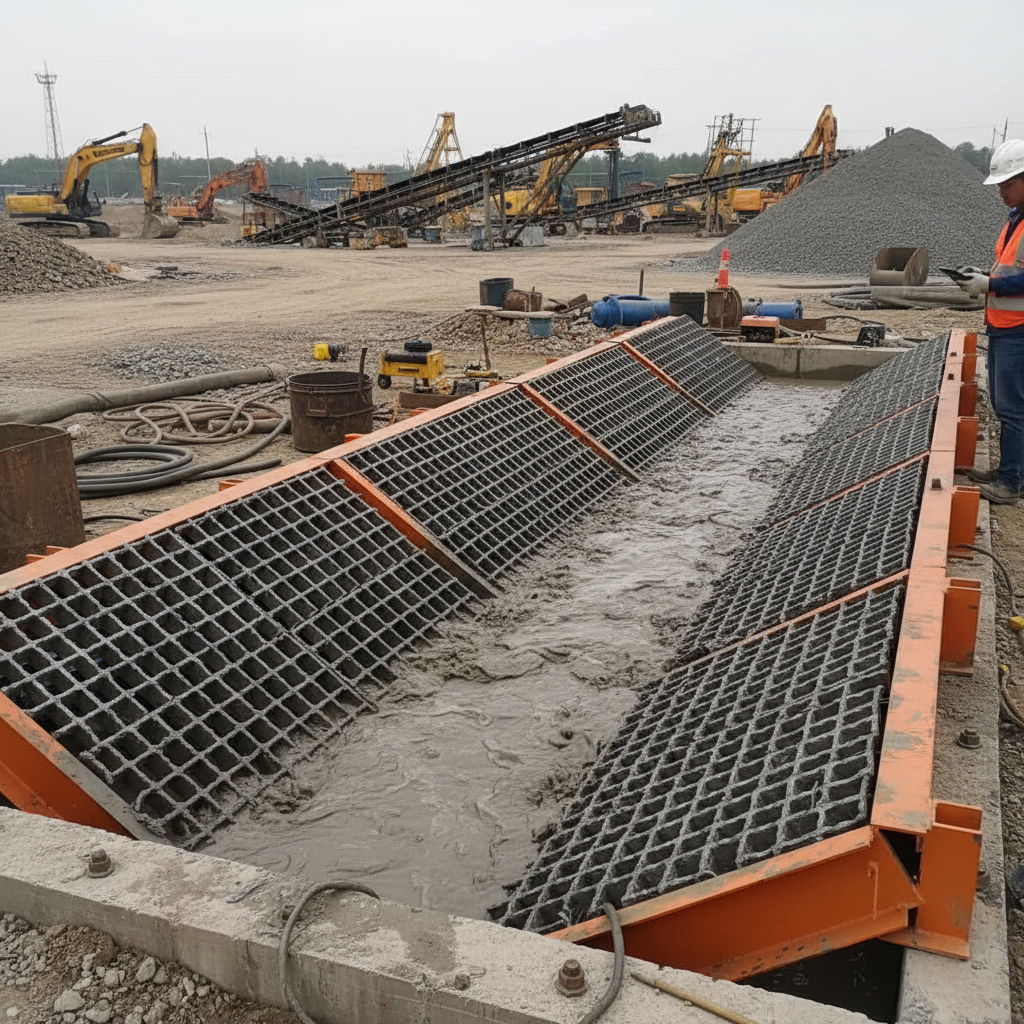
A 6-inch trench drain grate is a popular choice due to its balance of efficiency and practicality. Its size is sufficient to handle moderate to heavy water flow, making it suitable for a variety of applications. Compared to smaller grates, a 6-inch grate reduces the number of drain inlets needed, potentially lowering installation costs. Furthermore, the wider opening allows for easier debris removal, minimizing maintenance requirements. Choosing the correct size prevents water from overflowing and causing damage. HF PetroMesh offers a wide variety of options to fit different needs.
Key Benefits: Reduced overflow, easier maintenance, lower installation costs (potentially), suitable for moderate to heavy water flow.
Common Materials Used in 6 Trench Drain Grates
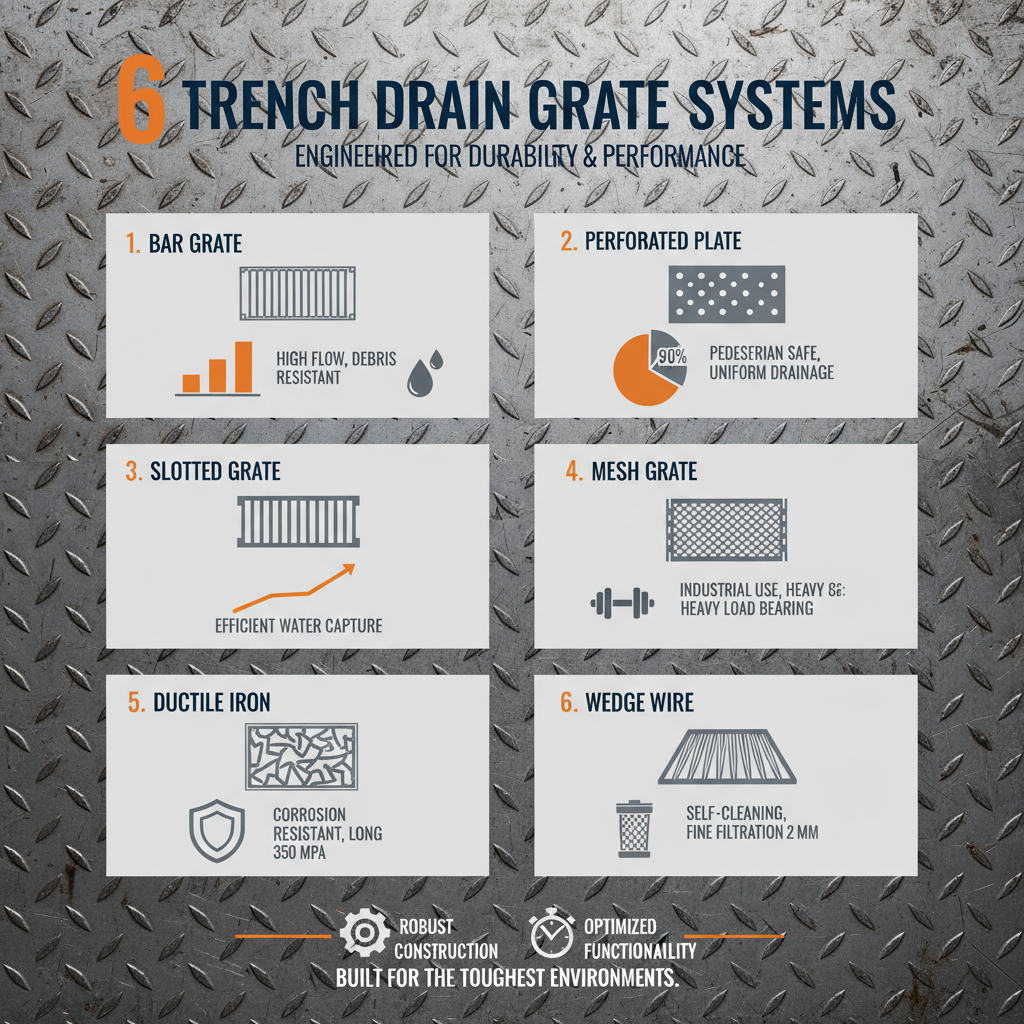
The material of a trench drain grate significantly impacts its durability, cost, and suitability for specific environments. Common materials include:
- Cast Iron: Highly durable, corrosion-resistant, and able to withstand heavy loads. Ideal for high-traffic areas.
- Steel: Strong and cost-effective, but requires protective coatings (like galvanization) to prevent rust.
- Plastic (PVC or Polypropylene): Lightweight, corrosion-resistant, and affordable. Suitable for residential applications with lighter loads.
- Fiberglass: Lightweight, strong, and corrosion-resistant. A good option for marine environments.
The best material depends on the anticipated load, environmental conditions, and budget constraints. HF PetroMesh provides grates constructed from a variety of these materials.
Applications of a 6" Trench Drain Grate
6-inch trench drain grates are incredibly versatile. Some common applications include:
- Driveways & Parking Lots: Managing runoff from paved surfaces.
- Pool Decks: Preventing standing water and maintaining a safe surface.
- Patios & Walkways: Channeling rainwater away from seating areas.
- Landscaping: Controlling erosion and directing water flow in gardens and around foundations.
- Industrial Facilities: Handling wastewater and preventing slippery floors.
Selecting a grate designed for the specific application ensures optimal performance and longevity.
Comparing 6 Trench Drain Grate Materials: A Detailed Look
Choosing the right material for your 6-inch trench drain grate is crucial. Here's a detailed comparison to help you decide:
Factors to Consider When Selecting a 6" Trench Drain Grate
Beyond the material, consider these factors:
- Load Capacity: Ensure the grate can handle the anticipated weight (pedestrian, vehicular).
- Flow Rate: Choose a grate that can effectively manage the expected water volume.
- Security: Consider locking mechanisms in public areas to prevent theft or vandalism.
- Aesthetics: Select a grate that complements the surrounding landscape or architecture.
- Installation: Evaluate the ease of installation and any necessary accessories.
HF PetroMesh offers expert guidance to help you select the perfect grate for your needs.
Conclusion: Investing in Effective Drainage
A properly installed 6 trench drain grate is a vital component of any effective water management system. By carefully considering the factors outlined in this article, you can choose a grate that provides long-lasting performance, prevents costly damage, and enhances the safety and functionality of your property. Don't compromise on drainage – invest in quality and reliability.
Frequently Asked Questions (FAQs)
What is the standard depth for a 6-inch trench drain?
The standard depth for a 6-inch trench drain typically ranges from 4 inches to 8 inches, depending on the anticipated water flow and soil conditions. Deeper trenches provide greater capacity and stability. It's crucial to consult local building codes and a drainage specialist to determine the appropriate depth for your specific application. Factors like the slope of the land and the type of soil will also influence the optimal trench depth. Proper depth ensures efficient water collection and prevents erosion around the drain.
How often should a 6-inch trench drain be cleaned?
The frequency of cleaning depends on the surrounding environment and the amount of debris accumulated. Generally, inspection and cleaning should be performed at least twice a year – once in the spring after winter debris and once in the fall before the leaf fall season. In areas with heavy foliage or frequent debris, more frequent cleaning may be necessary. Regularly removing leaves, sediment, and other debris prevents clogs and ensures optimal drainage performance.
Can a 6-inch trench drain be installed on a sloped surface?
Yes, a 6-inch trench drain can be installed on a sloped surface, but proper planning and installation are crucial. The drain must be installed with a consistent slope in the direction of the outlet to ensure effective water flow. The slope should be sufficient to prevent sediment buildup but not so steep that it causes erosion. Using appropriate connectors and ensuring a secure and level installation are essential for long-term performance. HF PetroMesh provides products suitable for sloped installations.
What type of backfill material is best for a trench drain installation?
Gravel is the most commonly recommended backfill material for trench drain installations. It provides excellent drainage and prevents the grate from shifting. Use a ¾-inch to 1.5-inch gravel that is clean and angular. Avoid using sand or soil, as these materials can compact and impede water flow. Proper compaction of the gravel around the drain channel is also essential for stability and longevity. Ensure the backfill material doesn't interfere with the grate's ability to sit flush with the surrounding surface.
-
The Ultimate Guide to Choosing a French Drain Grate CoverNewsApr.16,2026
-
Ultimate Guide to Durable Metal Channel Drain Grates for DrainageNewsApr.09,2026
-
Driveway Channel Drain Grate Systems for Effective Water ManagementNewsApr.07,2026
-
Comprehensive Guide to Durable Cast Iron Trench Drain Covers for Various ApplicationsNewsApr.04,2026
-
Comprehensive Guide to Driveway Storm Drain Grates for Optimal Water ManagementNewsMar.31,2026
-
Comprehensive Guide to Durable Steel Driveway Grates for Enhanced DrainageNewsMar.28,2026