- Industrial zone, South of Anping Town, Hengshui, Hebei, China.
- sales@hfpetromesh.com
- +86-18931809706
Comprehensive Guide to Selecting Durable Traffic Rated Trench Drain Grates
Choosing the Right Traffic Rated Trench Drain Grates
Selecting the correct trench drain grate is crucial for efficient water management and preventing hazards in various environments. Traffic rated trench drain grates are specifically designed to withstand heavy loads, making them ideal for roadways, parking lots, and industrial areas. This article will explore the different types, materials, load ratings, and key considerations when choosing these vital drainage components. Proper drainage not only prevents flooding but also safeguards infrastructure and ensures public safety. We will delve into why selecting a quality, appropriately rated grate is a valuable investment.
Understanding Load Ratings for Trench Drain Grates
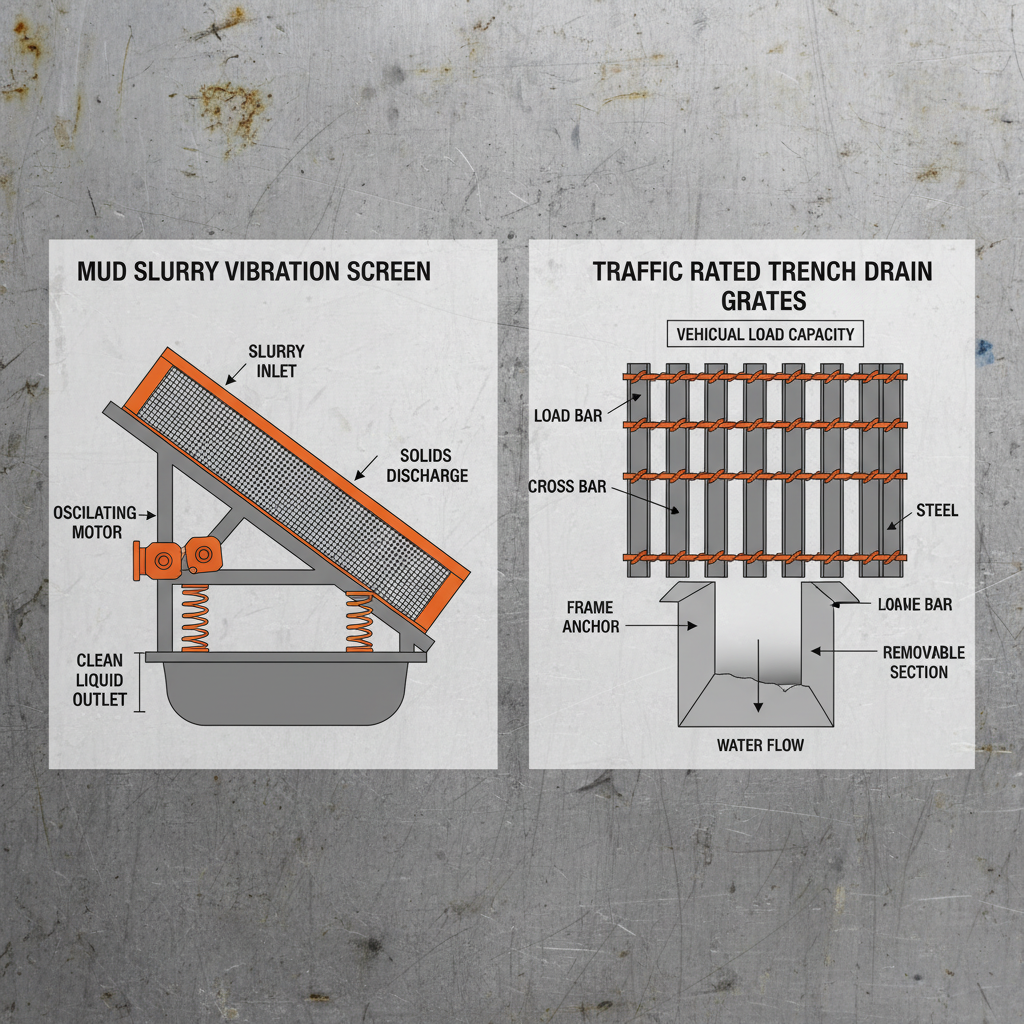
The primary function of a traffic rated trench drain grate is to support substantial weight. Load ratings are categorized based on the maximum load the grate can safely bear. These ratings are commonly expressed in tons, and it’s vital to choose a grate that exceeds the expected traffic load. Common load ratings include H-20 (20 tons), E-62 (62 tons), and E-80 (80 tons). The H-20 rating is generally sufficient for standard vehicular traffic, while E-62 and E-80 are used in areas with heavier vehicles, like trucks and forklifts. Incorrectly rated grates can fail under pressure, causing damage, disruption, and potentially dangerous situations. Always consult local regulations and engineering specifications when determining the appropriate load rating.
Key Takeaway: Selecting a grate with a load rating that exceeds the anticipated traffic load is critical for long-term safety and reliability.
Material Options: Comparing Cast Iron, Steel, and Composite
Trench drain grates are constructed from several materials, each with its own advantages and disadvantages. Cast iron is a traditional choice known for its durability and rust resistance, although it can be brittle. Steel grates offer high strength but require protective coatings to prevent corrosion. Composite materials, such as Fiber Reinforced Polymer (FRP), are lightweight, corrosion-resistant, and non-conductive, making them ideal for specific applications. The best material depends on the environment, budget, and required lifespan of the drainage system.
Material Comparison:
• Cast Iron: Durable, rust-resistant, brittle.
• Steel: High strength, requires corrosion protection.
• Composite (FRP): Lightweight, corrosion-resistant, non-conductive.
Types of Traffic Rated Trench Drain Grates: Bar Grates vs. Slat Grates
Two common types of traffic rated trench drain grates are bar grates and slat grates. Bar grates consist of individual bars running parallel to the trench, offering excellent flow capacity and ease of cleaning. Slat grates feature closely spaced slats, providing a more solid surface and increased safety for pedestrians. The choice between the two depends on the application. Bar grates are preferred for areas with high water volume, while slat grates are better suited for pedestrian walkways and areas where heel penetration is a concern. Consider the specific needs of the site and the potential for debris accumulation when making your selection.
Installation Considerations and Best Practices
Proper installation is just as crucial as selecting the right grate. Ensure the trench is properly sloped to facilitate drainage. The grates should be securely fastened to the trench frame to prevent movement under load. Use appropriate fasteners for the material of both the grate and the frame. Backfilling around the trench should be done with a stable material to provide support. It is always recommended to consult with a qualified drainage specialist for installation guidance, especially for large or complex projects. Following best practices will maximize the efficiency and lifespan of the drainage system.
Choosing the Right Supplier: Why HF Petromesh?
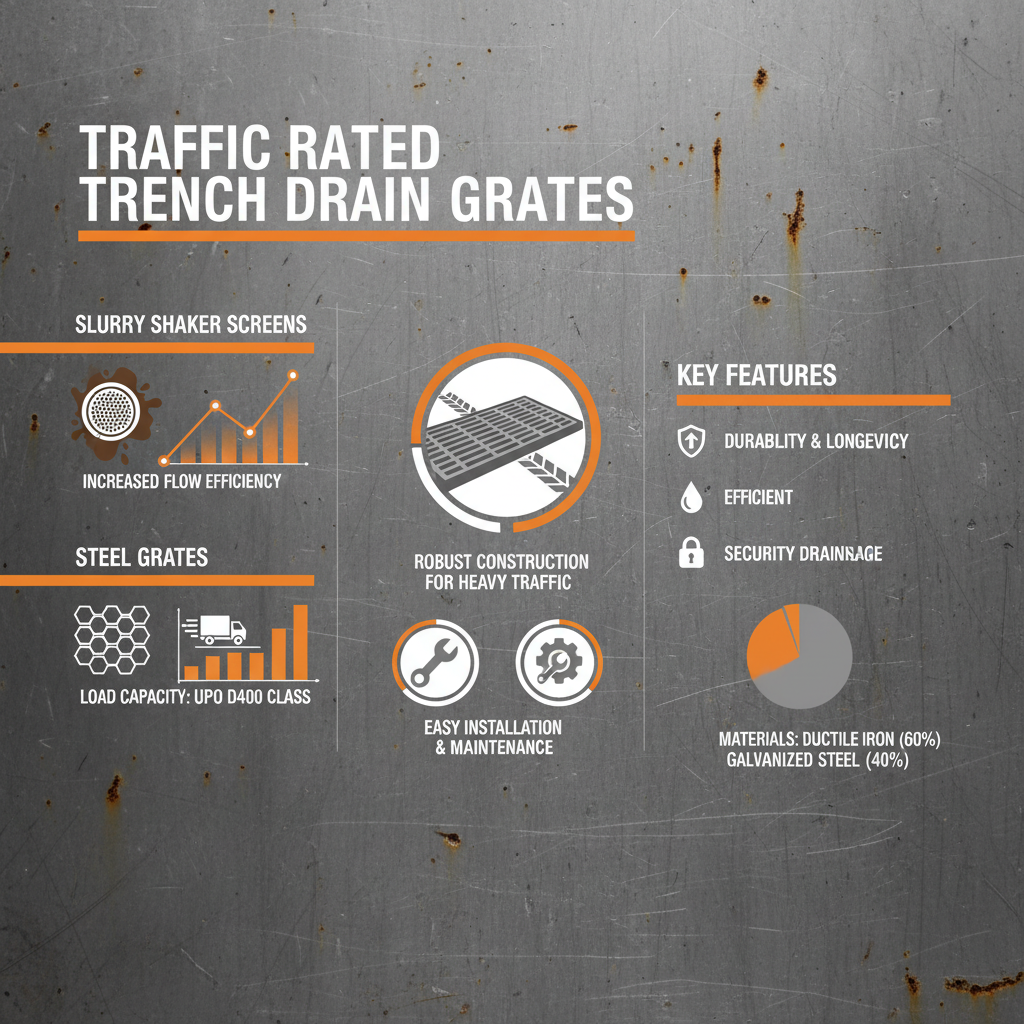
Selecting a reputable supplier is paramount when purchasing traffic rated trench drain grates. HF Petromesh offers a comprehensive range of high-quality grates, manufactured to meet stringent industry standards. We provide expert guidance to help you select the most appropriate grate for your specific needs, along with reliable delivery and exceptional customer service. Our commitment to quality and customer satisfaction makes us a trusted partner for drainage solutions. Contact us today for a consultation and to discuss your project requirements.
Conclusion: Investing in Quality Drainage
Choosing the right traffic rated trench drain grates is a critical investment in the long-term health and safety of your infrastructure. By understanding load ratings, material options, and installation best practices, you can ensure a reliable and efficient drainage system. HF Petromesh is dedicated to providing superior products and expert support to meet your drainage needs.
Frequently Asked Questions (FAQs)
What load rating is appropriate for a parking lot?
Generally, an H-20 (20 tons) load rating is sufficient for standard parking lots with passenger vehicles. However, if the parking lot is expected to accommodate heavier vehicles, such as delivery trucks or buses, an E-62 (62 tons) or E-80 (80 tons) rating is recommended. It’s crucial to consider the expected traffic volume and vehicle weights when determining the appropriate load rating. Always consult local building codes and engineering guidelines.
How often should trench drain grates be inspected?
Trench drain grates should be inspected at least twice a year, or more frequently in areas with heavy traffic or harsh weather conditions. During inspections, check for cracks, corrosion, loose fasteners, and debris accumulation. Promptly address any issues to prevent further damage and maintain optimal drainage performance. Regular maintenance can significantly extend the lifespan of the system.
What is the advantage of composite grates over steel grates?
Composite grates offer several advantages over steel grates, including corrosion resistance, lightweight construction, and non-conductivity. They don't require painting or protective coatings, reducing maintenance costs. They’re also quieter under traffic and safer for workers, as they don’t conduct electricity. While steel grates are stronger, composite grates are often sufficient for many applications and offer a longer lifespan in corrosive environments.
Are traffic rated trench drain grates compliant with ADA guidelines?
While not all grates are inherently ADA compliant, many manufacturers, including HF Petromesh, offer ADA-compliant grates with specific designs to ensure accessibility for individuals with disabilities. These grates typically feature smaller openings or a solid surface to prevent wheelchairs or walking aids from getting stuck. Always check the product specifications to confirm ADA compliance.
-
The Ultimate Guide to Choosing a French Drain Grate CoverNewsApr.16,2026
-
Ultimate Guide to Durable Metal Channel Drain Grates for DrainageNewsApr.09,2026
-
Driveway Channel Drain Grate Systems for Effective Water ManagementNewsApr.07,2026
-
Comprehensive Guide to Durable Cast Iron Trench Drain Covers for Various ApplicationsNewsApr.04,2026
-
Comprehensive Guide to Driveway Storm Drain Grates for Optimal Water ManagementNewsMar.31,2026
-
Comprehensive Guide to Durable Steel Driveway Grates for Enhanced DrainageNewsMar.28,2026