- Industrial zone, South of Anping Town, Hengshui, Hebei, China.
- sales@hfpetromesh.com
- +86-18931809706
Comprehensive Guide to Durable Stainless Steel Drainage Grates and Solutions
Understanding Stainless Steel Drainage Grates: A Comprehensive Guide
Stainless steel drainage grates are essential components in various applications, from industrial facilities to residential landscapes. They provide a safe and efficient way to manage water runoff, preventing flooding and maintaining proper drainage. Choosing the right grate requires considering factors like load capacity, material grade, and design. At HF PetroMesh, we specialize in providing high-quality, custom-engineered stainless steel drainage solutions. This article delves into the benefits, types, and applications of stainless steel drainage grates, helping you make an informed decision for your specific needs.
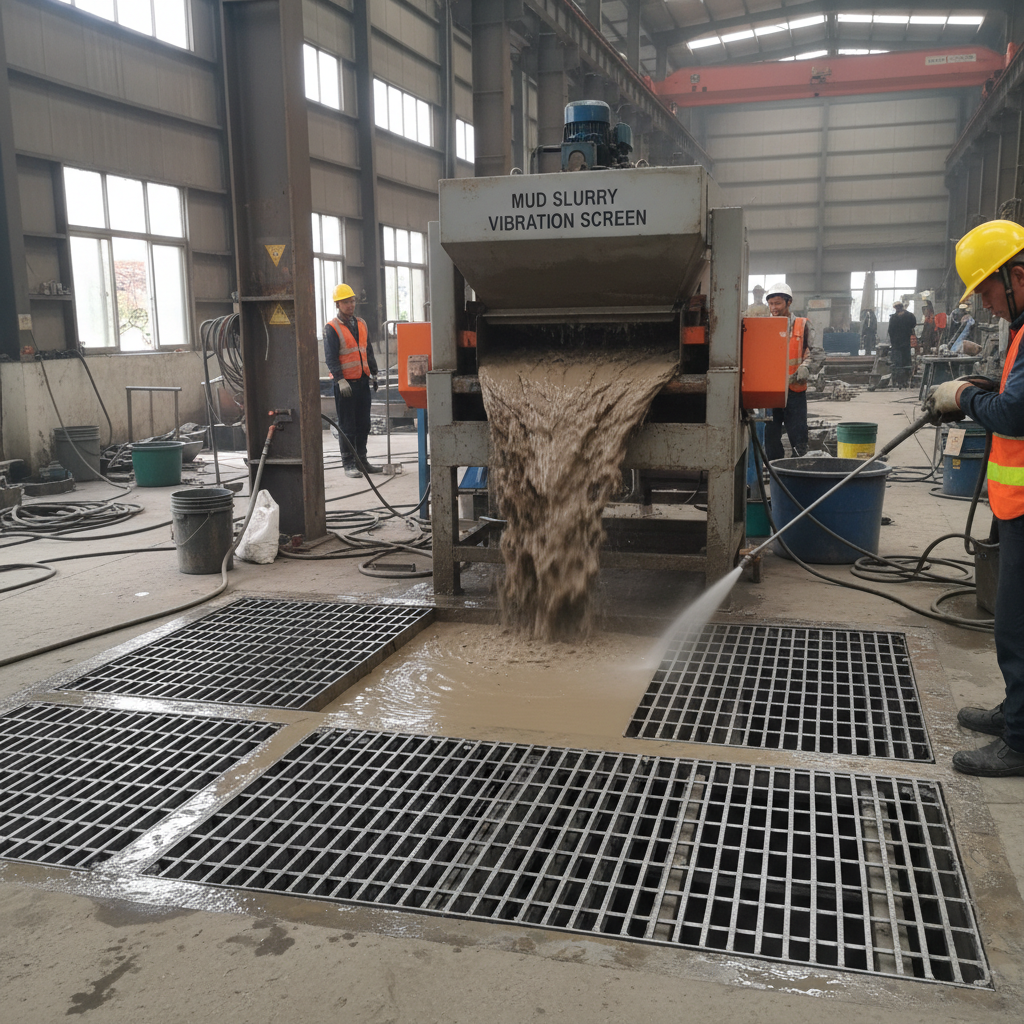
Why Choose Stainless Steel Drainage Grates?
Stainless steel offers significant advantages over other materials like cast iron or plastic. Its exceptional corrosion resistance ensures longevity, even in harsh environments. This reduces the need for frequent replacements, saving costs in the long run. Furthermore, stainless steel is incredibly strong and durable, capable of withstanding heavy loads. It's also aesthetically pleasing, providing a clean and modern look. Compared to cast iron, stainless steel is lighter, making installation easier. And unlike plastic, it won’t become brittle or degrade over time due to UV exposure.
Key Benefits: Exceptional corrosion resistance, high strength and durability, long lifespan, aesthetically pleasing, lighter weight than cast iron, UV resistant unlike plastic.
Types of Stainless Steel Drainage Grates
Stainless steel drainage grates come in a variety of designs to suit different applications. Common types include:
- Wedge Wire Grates: These offer excellent flow capacity and self-cleaning properties.
- Bar Grates: A popular choice for pedestrian areas and light vehicular traffic.
- Mesh Grates: Ideal for preventing debris from entering the drainage system.
- Perforated Grates: Provide a clean aesthetic and good drainage capacity.
Each type has its own advantages and disadvantages, depending on the load requirements, flow rate, and aesthetic preferences. At HF PetroMesh, we can help you determine the best type for your specific application.
Grate Type Considerations:
• Load Capacity: Consider the weight the grate needs to support.
• Flow Rate: Select a grate that can handle the anticipated water volume.
• Debris Management: Choose a grate that minimizes clogging.
• Aesthetics: Consider the visual impact of the grate.
Stainless Steel Grades: A Comparison
Different grades of stainless steel offer varying levels of corrosion resistance and strength. The most common grades used for drainage grates are 304 and 316. Here's a comparison:
Applications of Stainless Steel Drainage Grates
Stainless steel drainage grates are utilized in a wide range of settings, including:
- Commercial Kitchens: Managing grease and wastewater efficiently.
- Swimming Pools: Ensuring proper water circulation and filtration.
- Parking Garages: Handling stormwater runoff from vehicles.
- Landscaping: Providing effective drainage in gardens and patios.
- Industrial Facilities: Managing process water and preventing contamination.
HF PetroMesh provides custom solutions tailored to each application, ensuring optimal performance and durability.
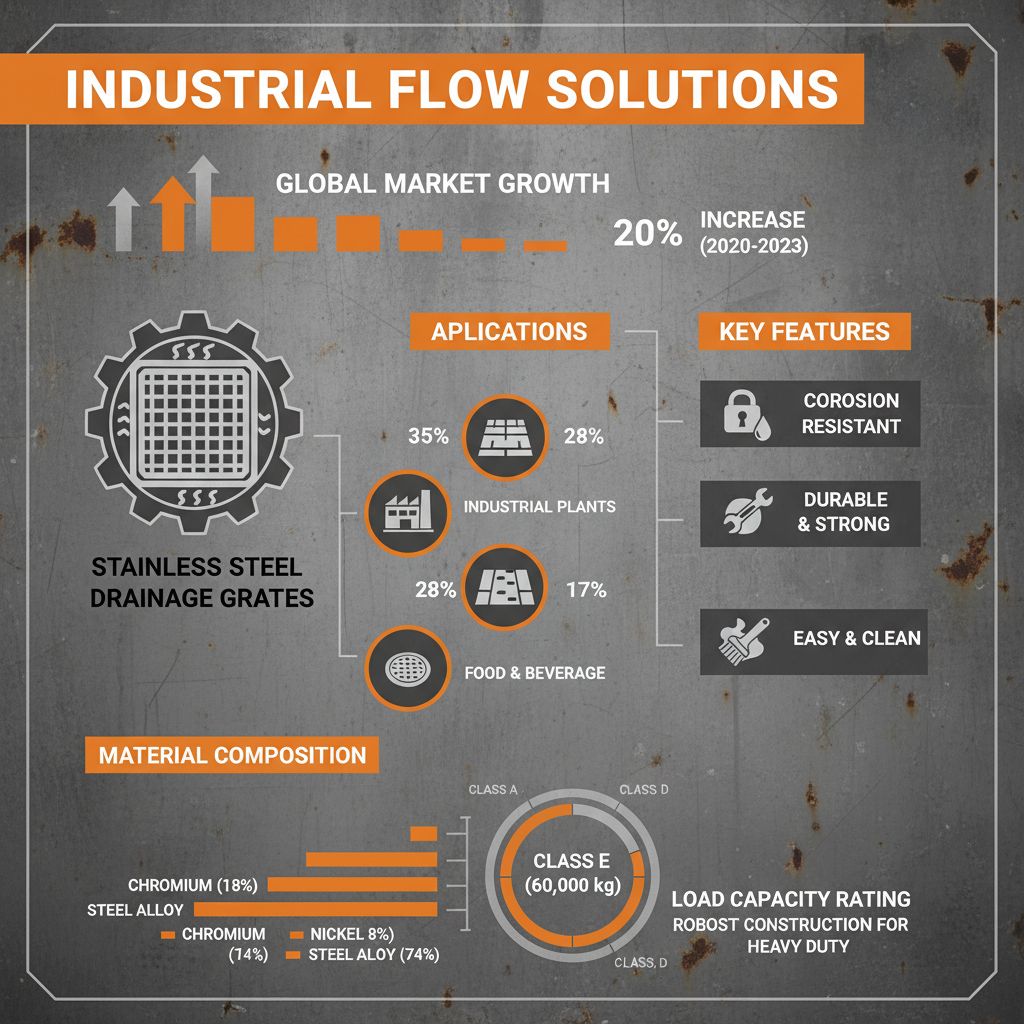
Custom Fabrication and Installation
We offer custom fabrication services to meet your specific project requirements. Our experienced engineers can design and manufacture grates to any size, shape, or specification. We also provide professional installation services to ensure proper fit and performance. At HF PetroMesh, we are committed to delivering high-quality products and exceptional customer service.
Conclusion: Choosing the Right Stainless Steel Drainage Grate
Investing in high-quality stainless steel drainage grates is a smart decision that provides long-term benefits. With their durability, corrosion resistance, and versatility, they are a reliable solution for managing water runoff in a variety of applications. Contact HF PetroMesh today for a consultation and let our experts help you find the perfect drainage solution for your needs.
Frequently Asked Questions (FAQs)
What is the typical lifespan of a stainless steel drainage grate?
With proper installation and maintenance, a stainless steel drainage grate can last for decades. The lifespan depends on the grade of stainless steel used, the environment it’s exposed to, and the frequency of cleaning. Regularly removing debris and preventing the buildup of corrosion-causing substances will significantly extend its life. Higher grades like 316 are especially durable in harsh environments.
How do I clean and maintain my stainless steel drainage grate?
Regular cleaning is crucial. Remove debris like leaves, dirt, and grease regularly. For tougher stains, use a mild detergent and warm water. Avoid abrasive cleaners, as they can scratch the surface. For coastal applications, periodic rinsing with freshwater can help remove salt buildup. Inspect the grate regularly for any signs of corrosion or damage.
Can stainless steel drainage grates be custom-made?
Yes, absolutely! At HF PetroMesh, we specialize in custom fabrication. We can create grates to your exact specifications, including size, shape, grate pattern, and stainless steel grade. We work closely with our clients to ensure the final product meets their unique needs.
What load capacity should I look for in a drainage grate?
The required load capacity depends on the intended use. For pedestrian traffic, a lighter-duty grate is sufficient. However, if the grate will be subjected to vehicular traffic, such as cars or trucks, you'll need a heavy-duty grate designed to withstand those loads. Consult with a qualified engineer to determine the appropriate load capacity for your application.
-
The Ultimate Guide to Choosing a French Drain Grate CoverNewsApr.16,2026
-
Ultimate Guide to Durable Metal Channel Drain Grates for DrainageNewsApr.09,2026
-
Driveway Channel Drain Grate Systems for Effective Water ManagementNewsApr.07,2026
-
Comprehensive Guide to Durable Cast Iron Trench Drain Covers for Various ApplicationsNewsApr.04,2026
-
Comprehensive Guide to Driveway Storm Drain Grates for Optimal Water ManagementNewsMar.31,2026
-
Comprehensive Guide to Durable Steel Driveway Grates for Enhanced DrainageNewsMar.28,2026