- Industrial zone, South of Anping Town, Hengshui, Hebei, China.
- sales@hfpetromesh.com
- +86-18931809706
Comprehensive Guide to Durable and Safe Galvanized Grating Steps
Galvanized Grating Steps: A Comprehensive Guide
When it comes to safety and accessibility in industrial and commercial settings, galvanized grating steps are an essential component. These steps provide a durable, slip-resistant, and cost-effective solution for various applications. This article provides an in-depth look at galvanized grating steps, covering their benefits, applications, material properties, installation, and factors to consider when choosing the right steps for your needs. Understanding these factors will enable you to make an informed decision that enhances safety and efficiency in your workplace.
Understanding Galvanized Grating Steps
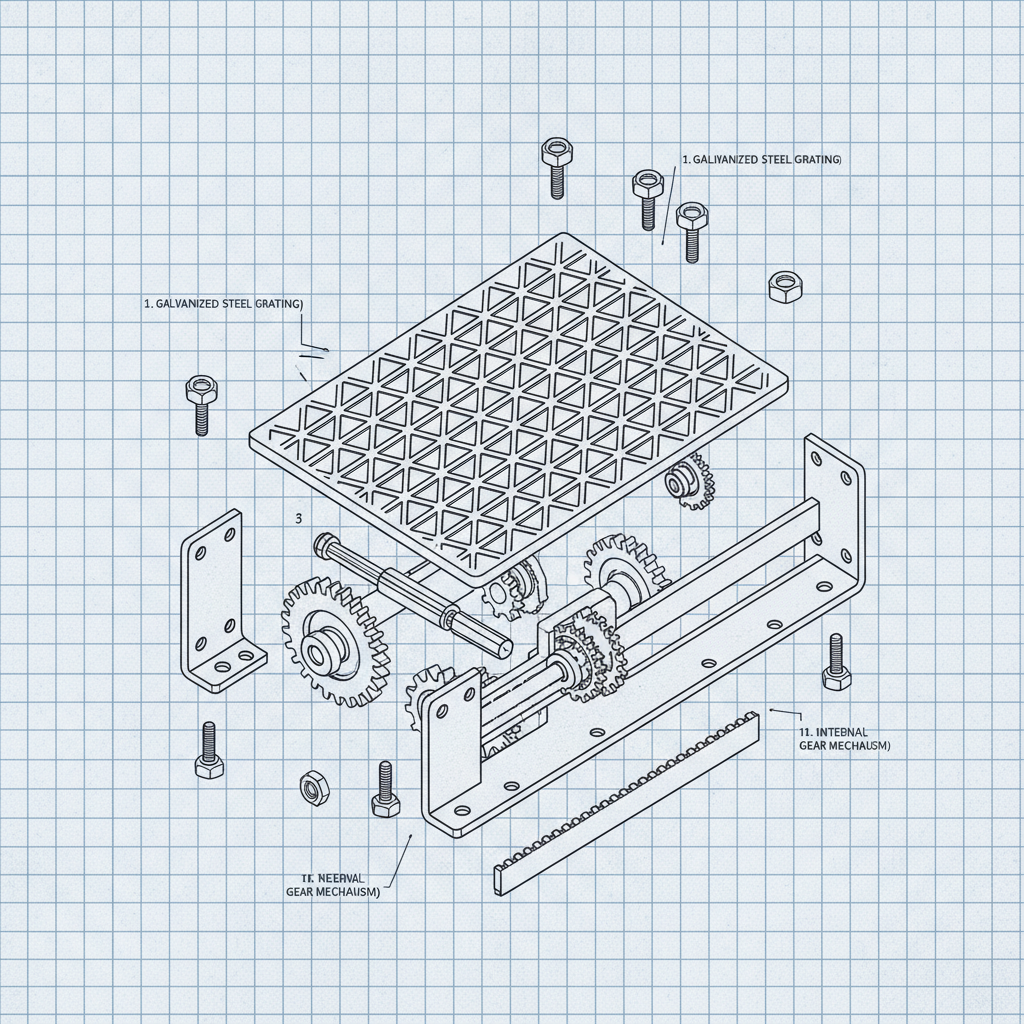
Galvanized grating steps are constructed from metal grids with open spaces, typically made of carbon steel that has been hot-dip galvanized. This galvanization process involves coating the steel with a layer of zinc, providing exceptional corrosion resistance. The open grid design allows for excellent drainage and ventilation, reducing the risk of slips and falls, even in wet or oily conditions. The steps are commonly used to provide access to machinery, platforms, and elevated areas in industrial facilities, warehouses, and commercial buildings. HF PetroMesh offers a wide variety of customizable options to suit diverse applications.
Key Benefits: Corrosion resistance, slip-resistant surface, durable construction, excellent drainage, and cost-effectiveness.
Applications of Galvanized Grating Steps
The versatility of galvanized grating steps makes them suitable for a multitude of applications. They are commonly used in: Oil and gas platforms for safe access to equipment; Wastewater treatment plants due to their corrosion resistance; Manufacturing facilities for access to machinery and platforms; Construction sites for temporary or permanent access; and Commercial buildings for exterior stairways and walkways. The robust construction and slip-resistant surface ensure a safe and reliable solution in demanding environments. These steps are also often used in marine environments, benefitting from the corrosion-resistant properties of galvanized steel.
Common Applications:
• Oil and Gas Platforms
• Wastewater Treatment Plants
• Manufacturing Facilities
• Construction Sites
Galvanized Grating Steps: Material & Design Considerations
Choosing the right material and design for your galvanized grating steps is crucial for ensuring safety and longevity. The most common material is carbon steel, offering a balance of strength and cost-effectiveness. However, stainless steel is an option for particularly corrosive environments. The bearing bar spacing and thickness play a key role in determining the load-bearing capacity and slip resistance. Wider spacing is suitable for applications with less foot traffic, while narrower spacing provides a more secure footing. Furthermore, the type of grating – welded, press-locked, or riveted – impacts the overall strength and durability of the steps.
Installation and Safety Considerations
Proper installation is critical for ensuring the safety and longevity of galvanized grating steps. Steps should be securely fastened to a solid and level supporting structure. It’s important to use appropriate fasteners that are compatible with both the grating material and the supporting structure. Following manufacturer’s guidelines is essential. Regular inspections are also vital to identify any signs of corrosion, damage, or loose fasteners. Maintaining a clean and dry surface can help prevent slips and falls. Always adhere to local safety regulations and standards when installing and maintaining grating steps. Consider using handrails for added safety and accessibility.
Choosing the Right Supplier: HF PetroMesh
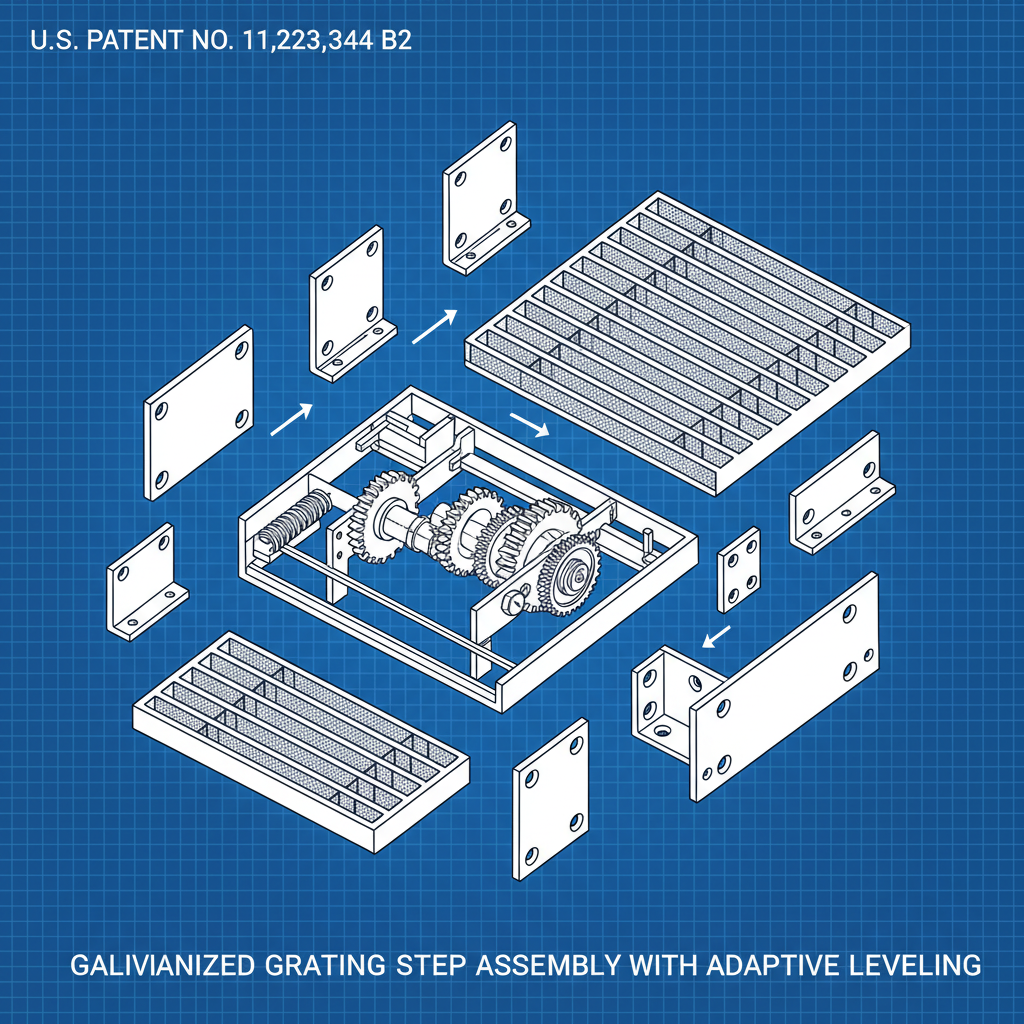
Selecting a reputable supplier is crucial for obtaining high-quality galvanized grating steps. HF PetroMesh is a leading manufacturer and supplier, offering a wide range of standard and custom-designed grating steps. We prioritize quality, durability, and customer satisfaction. We provide expert guidance to help you select the appropriate grating steps for your specific application, ensuring a safe and reliable solution. Our commitment to excellence and competitive pricing makes us a trusted partner for businesses across various industries.
Conclusion: Enhancing Safety and Accessibility with Galvanized Grating Steps
Investing in high-quality galvanized grating steps from a trusted supplier like HF PetroMesh is a smart decision for enhancing safety, accessibility, and durability in your workplace. By carefully considering the material, design, installation, and maintenance requirements, you can create a safe and efficient environment for your employees. Don't compromise on quality – choose HF PetroMesh for reliable and long-lasting grating step solutions.
Frequently Asked Questions (FAQs)
What is the typical lifespan of galvanized grating steps?
The lifespan of galvanized grating steps depends heavily on the environment they're exposed to. In relatively mild conditions, they can last for 25-30 years or more. However, exposure to harsh chemicals, saltwater, or extreme temperatures can significantly reduce this lifespan. Regular inspection and maintenance, including re-galvanization if necessary, can extend their service life.
What load capacity should I consider when choosing grating steps?
It’s critical to select grating steps with a load capacity that exceeds the maximum anticipated weight. This includes the weight of personnel, tools, and any materials that will be carried on the steps. Consider both static loads (weight at rest) and dynamic loads (weight in motion). Refer to the manufacturer’s specifications and consult with a structural engineer if you’re unsure about the appropriate load capacity for your application.
Are galvanized grating steps slippery when wet?
While the open grid design provides better traction than solid surfaces, galvanized grating steps can become slippery when wet, especially if coated with oil or other substances. Selecting grating with a serrated surface or applying a non-slip coating can significantly improve slip resistance. Regular cleaning and maintenance are also essential to prevent the buildup of slippery contaminants.
Can galvanized grating steps be custom-made?
Yes, HF PetroMesh offers custom fabrication services for galvanized grating steps. We can tailor the dimensions, bearing bar spacing, and other features to meet your specific requirements. This ensures a perfect fit for your application and optimizes performance. Contact us to discuss your custom needs.
-
The Ultimate Guide to Choosing a French Drain Grate CoverNewsApr.16,2026
-
Ultimate Guide to Durable Metal Channel Drain Grates for DrainageNewsApr.09,2026
-
Driveway Channel Drain Grate Systems for Effective Water ManagementNewsApr.07,2026
-
Comprehensive Guide to Durable Cast Iron Trench Drain Covers for Various ApplicationsNewsApr.04,2026
-
Comprehensive Guide to Driveway Storm Drain Grates for Optimal Water ManagementNewsMar.31,2026
-
Comprehensive Guide to Durable Steel Driveway Grates for Enhanced DrainageNewsMar.28,2026