- Industrial zone, South of Anping Town, Hengshui, Hebei, China.
- sales@hfpetromesh.com
- +86-18931809706
Comprehensive Guide to Channel Drain Grate Replacement and Maintenance
Channel Drain Grate Replacement: A Comprehensive Guide
Replacing a channel drain grate is a common maintenance task for homeowners and property managers. A damaged or missing grate can lead to debris buildup, drainage issues, and even potential hazards. This article will provide a detailed guide to channel drain grate replacement, covering everything from identifying the right grate to the installation process. We'll explore the importance of selecting a durable and appropriate grate, the tools you'll need, and step-by-step instructions to ensure a successful replacement. Maintaining your drainage system is crucial for preventing water damage and preserving the integrity of your property.
Understanding Channel Drain Grates
Channel drain grates come in various materials, each offering different levels of durability and cost. Common materials include cast iron, galvanized steel, stainless steel, and plastic. Cast iron is known for its strength and longevity but can be heavy and prone to rust. Galvanized steel provides good corrosion resistance at a lower cost, but it’s not as durable as cast iron or stainless steel. Stainless steel is the most corrosion-resistant option but also the most expensive. Plastic grates are lightweight and affordable but are best suited for lighter-duty applications. Choosing the right material depends on the anticipated load, environmental conditions, and budget.
Key Considerations: Material choice impacts durability, cost, and resistance to corrosion. Consider the anticipated load and environmental factors when selecting a grate.
When is Channel Drain Grate Replacement Necessary?
Several factors indicate it's time for a channel drain grate replacement. Visible cracks, breaks, or significant rust are clear indicators. If the grate is warped or damaged, it may not sit flush with the channel, creating a tripping hazard. A buildup of debris that cannot be easily cleared suggests the grate's structure is compromised. Slow drainage can also signal a problem, possibly due to a deteriorated grate obstructing the flow of water. Proactive replacement can prevent more significant issues and maintain efficient drainage.
Signs of Needed Replacement:
• Visible cracks or breaks
• Significant rust or corrosion
• Warping or damage affecting fit
• Difficulty clearing debris
• Slow drainage
Choosing the Right Channel Drain Grate for Replacement
Selecting the appropriate replacement grate requires careful consideration. First, measure the length and width of the existing channel. Ensure the new grate matches these dimensions. Next, determine the material best suited for your needs and budget, as discussed earlier. Consider the load-bearing capacity – will the grate be subjected to foot traffic, vehicles, or heavy equipment? Finally, verify the grate's compatibility with the existing channel frame. HFpetromesh offers a variety of grates to meet different requirements.
Step-by-Step Channel Drain Grate Replacement
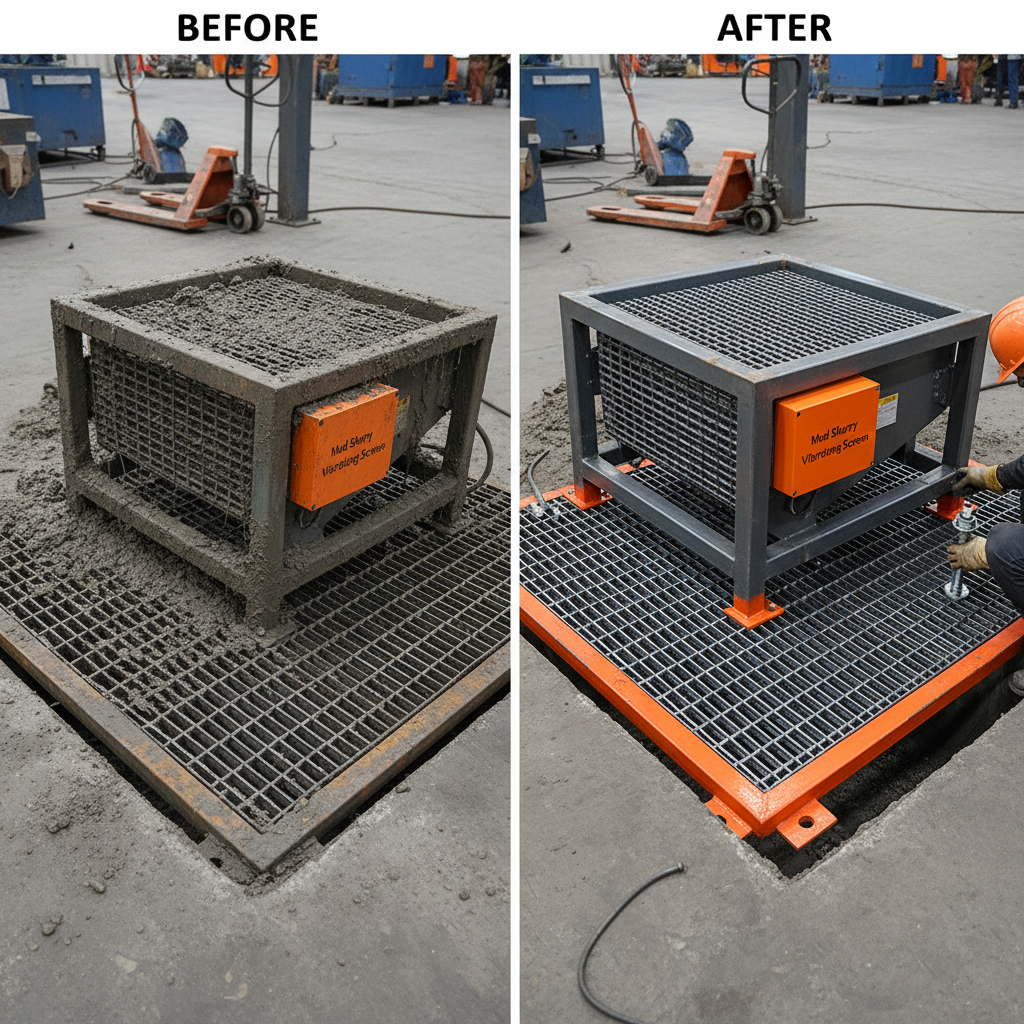
Replacing a channel drain grate is a relatively straightforward process. First, carefully remove the old grate, noting how it was secured. Clean the channel thoroughly, removing any debris or rust. Position the new grate into the channel, ensuring it sits flush. Secure the grate according to the manufacturer's instructions – this may involve screws, bolts, or locking mechanisms. Double-check that the grate is firmly in place and doesn't wobble. Finally, test the drainage by pouring water into the channel.
Safety Precautions
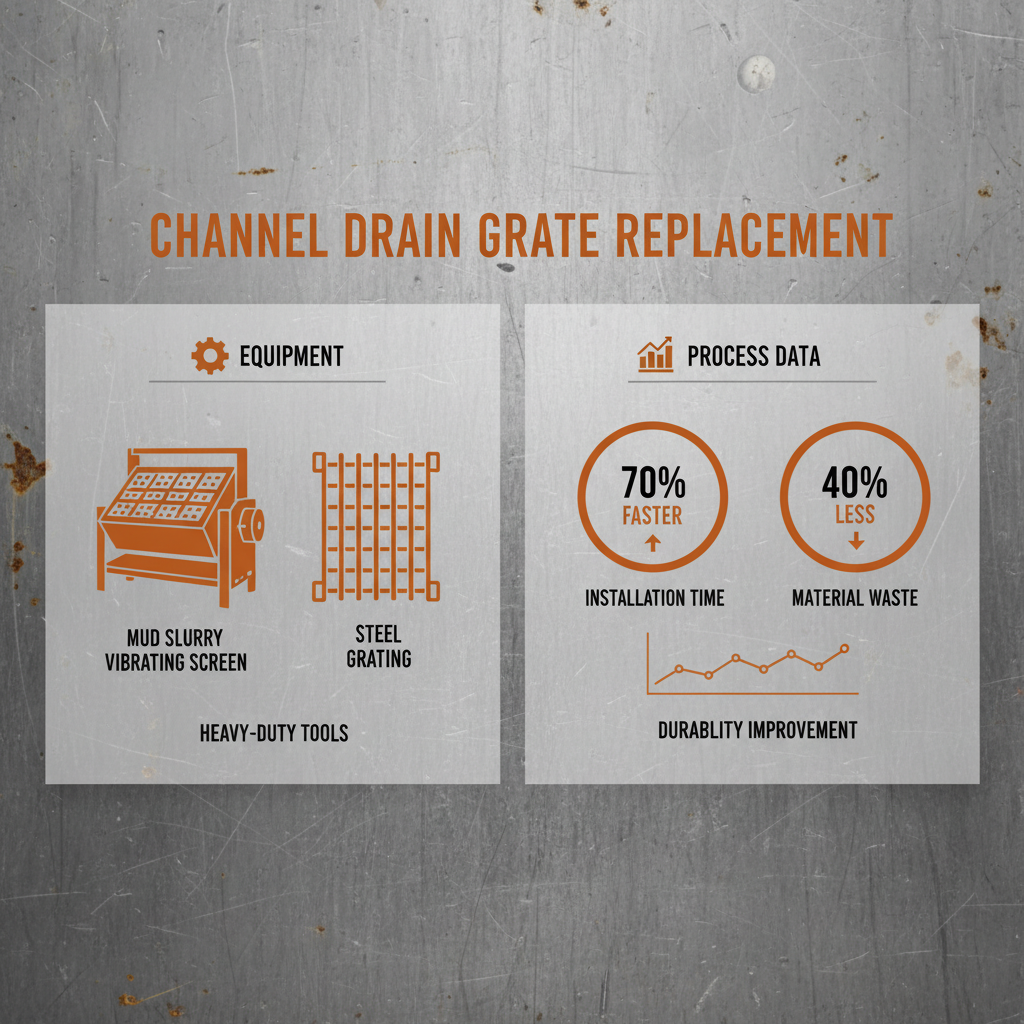
When replacing a channel drain grate, prioritize safety. Wear gloves to protect your hands from sharp edges and debris. Eye protection is also recommended. If the grate is heavy, ask for assistance to avoid strain or injury. Be mindful of your surroundings and ensure the work area is well-lit. If you are uncomfortable performing the replacement yourself, consult a professional plumber or drainage specialist.
Conclusion: Maintaining Efficient Drainage
Regular inspection and timely channel drain grate replacement are essential for maintaining efficient drainage and preventing costly water damage. By following the steps outlined in this guide and prioritizing safety, you can ensure your drainage system remains in optimal condition. Don't hesitate to reach out to HFpetromesh for high-quality grates and expert advice.
Frequently Asked Questions (FAQs)
How often should I inspect my channel drain grates?
It’s recommended to inspect your channel drain grates at least twice a year – in the spring and fall – or more frequently if you live in an area with heavy rainfall or debris. Look for signs of rust, cracks, warping, or difficulty in clearing debris. Regular inspections can help you identify potential problems early on and prevent more significant issues from developing. A proactive approach to maintenance can save you time and money in the long run.
Can I use a different material for the replacement grate?
While you can technically use a different material, it's crucial to consider the load-bearing capacity and corrosion resistance. Upgrading to a more durable material like stainless steel is often a good investment, especially in high-traffic areas or corrosive environments. However, ensure the new grate is compatible with the existing channel frame and that it meets the required safety standards. Consult with a professional if you're unsure about the best material choice.
What tools do I need for channel drain grate replacement?
The tools required for replacement typically include gloves, safety glasses, a screwdriver or wrench (depending on the grate’s securing mechanism), a wire brush for cleaning the channel, and potentially a pry bar for removing a stubborn old grate. If rust has seized any fasteners, penetrating oil can be helpful. Having the right tools will make the process smoother and safer. For specialized grates, you may need additional tools as specified by the manufacturer.
How do I prevent future grate damage?
To prevent future damage, regularly clear debris from the channel and grate to avoid buildup and potential stress. Avoid driving or parking vehicles directly over the grates. Consider using a protective mat or covering in high-traffic areas. If you live in a region with harsh weather, choose a grate material that is resistant to corrosion and freeze-thaw cycles. Regular maintenance and preventative measures will extend the lifespan of your channel drain grates.
-
The Ultimate Guide to Choosing a French Drain Grate CoverNewsApr.16,2026
-
Ultimate Guide to Durable Metal Channel Drain Grates for DrainageNewsApr.09,2026
-
Driveway Channel Drain Grate Systems for Effective Water ManagementNewsApr.07,2026
-
Comprehensive Guide to Durable Cast Iron Trench Drain Covers for Various ApplicationsNewsApr.04,2026
-
Comprehensive Guide to Driveway Storm Drain Grates for Optimal Water ManagementNewsMar.31,2026
-
Comprehensive Guide to Durable Steel Driveway Grates for Enhanced DrainageNewsMar.28,2026