- Industrial zone, South of Anping Town, Hengshui, Hebei, China.
- sales@hfpetromesh.com
- +86-18931809706
Comprehensive Guide to 8 Trench Drain Grates Selection and Applications
Understanding 8 Trench Drain Grates: A Comprehensive Guide
Trench drains are crucial for effective water management in a variety of settings, from commercial properties and parking lots to industrial facilities and landscaping projects. The grate covering these drains plays a vital role in functionality and safety. This article will delve into the world of 8 trench drain grates, covering their applications, materials, load ratings, and factors to consider when making a purchase. Proper grate selection ensures efficient drainage while maintaining a safe surface for pedestrian and vehicular traffic. At HF PetroMesh, we specialize in providing high-quality trench drain solutions tailored to your specific needs.
What are 8 Trench Drain Grates and Why are They Important?
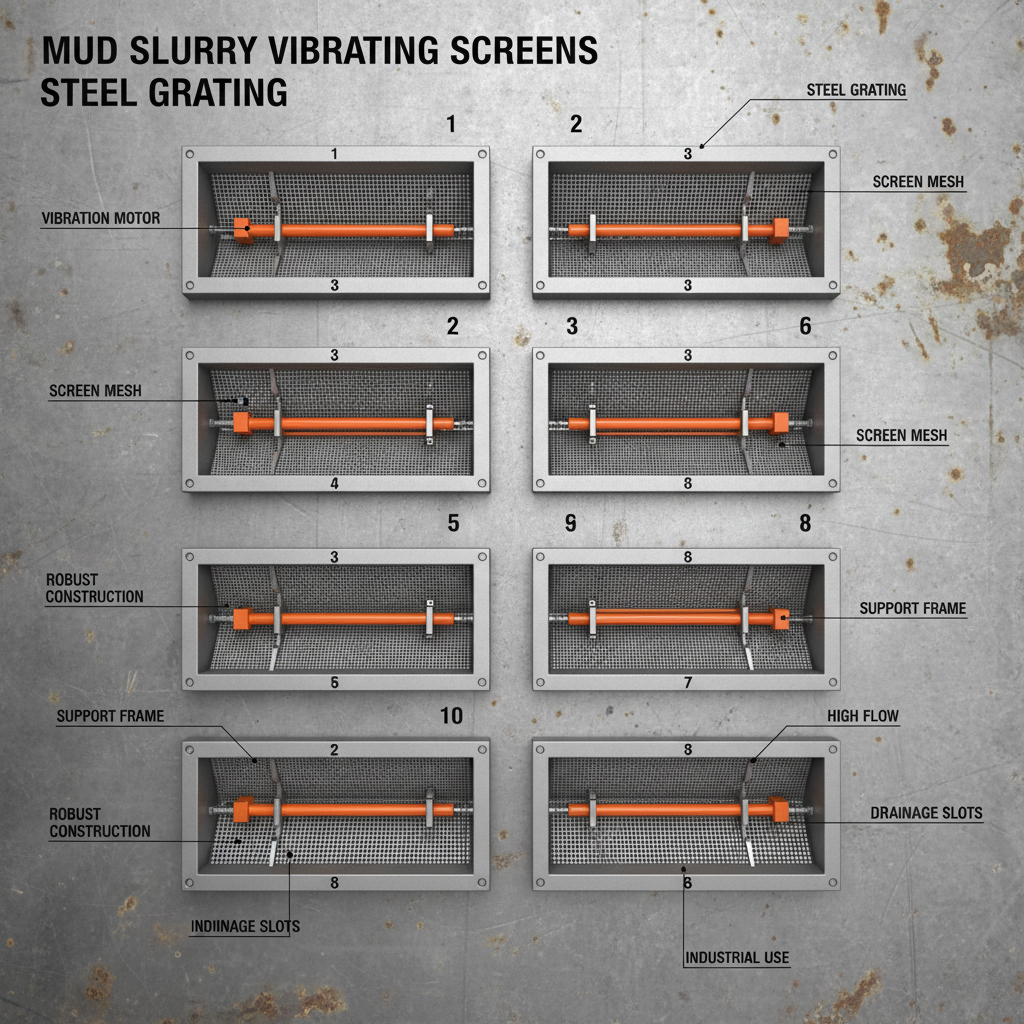
An 8 trench drain grate refers to a grate designed to fit an 8-inch wide trench drain channel. These grates are typically constructed from materials like cast iron, steel, aluminum, or plastic, each offering unique advantages. Their primary function is to allow water to flow into the drain while preventing debris and accidental foot traffic from entering the system. Selecting the right grate is essential for maintaining the drain’s efficiency and preventing costly blockages. Furthermore, the grate’s load-bearing capacity must be appropriate for the expected traffic – pedestrian, vehicular, or heavy industrial.
Common Materials Used in 8 Trench Drain Grates
Several materials are commonly used in the construction of 8 trench drain grates. Each material possesses distinct characteristics regarding strength, durability, cost, and corrosion resistance. Here’s a breakdown of the most prevalent options:
Load Ratings and Applications for 8 Trench Drain Grates
The load rating of a trench drain grate is a crucial specification, indicating the amount of weight it can safely support. Load ratings are typically classified into different classes, such as A, B, C, D, E, and F, with Class A being suitable for pedestrian traffic only and Class F being designed to withstand extremely heavy vehicular loads, such as airports or loading docks. Choosing a grate with the appropriate load rating is paramount for safety and compliance with local regulations.
Load Class Breakdown:
- A: Pedestrian traffic only
- B: Light vehicles (passenger cars)
- C: Medium vehicles (trucks, vans)
- D: Heavy vehicles (heavy trucks, forklifts)
- E: Extra-heavy vehicles
- F: Aircraft loading
Choosing the Right 8 Trench Drain Grate: Key Considerations
Selecting the ideal 8 trench drain grate involves considering several factors. First, assess the anticipated traffic volume and load requirements. Second, evaluate the environment; corrosive environments necessitate corrosion-resistant materials like aluminum or stainless steel. Third, consider the aesthetic appeal; grates are available in various designs to blend with the surrounding landscape. Finally, ensure the grate meets relevant safety standards and local regulations. HF PetroMesh offers a wide selection of grates to suit diverse applications and budgets.
Installation and Maintenance of 8 Trench Drain Grates
Proper installation is crucial for ensuring optimal performance and longevity. The grate should fit snugly into the trench drain channel without any gaps. Regular maintenance, including removing debris and cleaning the drain, is essential for preventing blockages and maintaining efficient drainage. Periodically inspect the grate for signs of damage or corrosion. HF PetroMesh provides expert advice and support to ensure proper installation and maintenance of our products.
Conclusion: Investing in Quality 8 Trench Drain Grates
Invest in reliable water management with quality 8 trench drain grates.
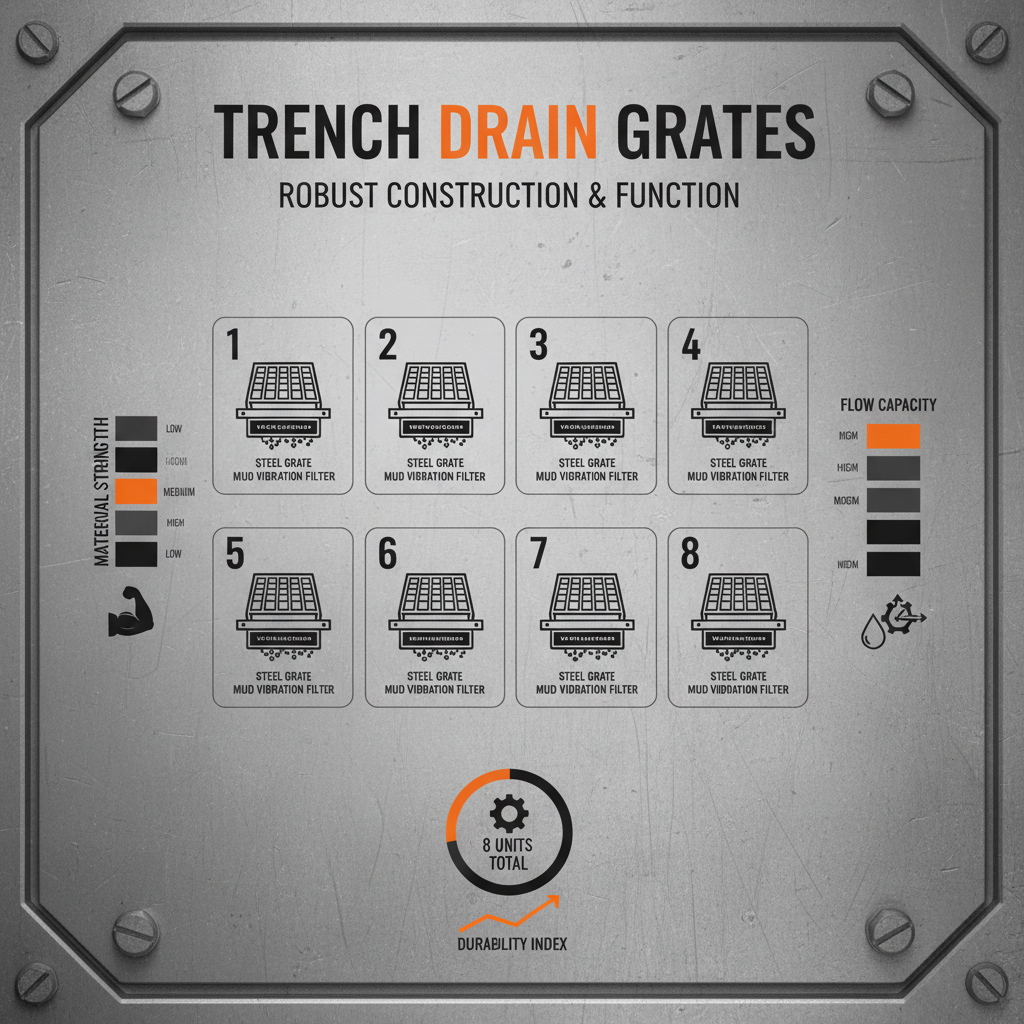
Selecting the right 8 trench drain grate is a crucial investment in the long-term efficiency and safety of your drainage system. By considering factors like material, load rating, and environmental conditions, you can ensure optimal performance and minimize the risk of costly repairs. HF PetroMesh is committed to providing high-quality trench drain solutions and expert support. Contact us today to discuss your specific needs.
Frequently Asked Questions (FAQs)
What is the difference between cast iron and ductile iron grates?
While both are iron-based, ductile iron is significantly stronger and more fracture-resistant than traditional cast iron. This enhanced strength makes ductile iron grates a preferred choice for applications requiring higher load-bearing capacity and resistance to impact. Cast iron, while more affordable, is more brittle and prone to cracking under stress. Ductile iron offers superior durability and a longer lifespan, making it a worthwhile investment in the long run.
How do I determine the correct load rating for my application?
Start by identifying the maximum anticipated load. Will the drain only be subjected to pedestrian traffic, or will vehicles be driving over it? Consult the load class ratings (A-F) and select a grate that exceeds the expected load. If you are unsure, it is always best to err on the side of caution and choose a higher load rating. Local regulations may also specify minimum load rating requirements for certain applications, so it's crucial to verify compliance.
Are plastic trench drain grates suitable for outdoor use?
While plastic (polypropylene) grates are corrosion-resistant, their suitability for outdoor use depends on the UV exposure and temperature fluctuations. Prolonged exposure to sunlight can degrade the plastic, making it brittle over time. For outdoor applications, look for plastic grates specifically formulated with UV stabilizers to enhance their durability. Generally, plastic grates are best suited for lighter-duty applications where high load-bearing capacity isn't a primary concern.
What are the benefits of using stainless steel grates?
Stainless steel grates offer exceptional corrosion resistance, making them ideal for harsh environments, such as coastal areas or industrial facilities with corrosive chemicals. They are also highly durable and aesthetically pleasing, providing a sleek and modern look. While more expensive than other materials, stainless steel grates offer a long lifespan and require minimal maintenance, making them a cost-effective choice in the long run.
-
The Ultimate Guide to Choosing a French Drain Grate CoverNewsApr.16,2026
-
Ultimate Guide to Durable Metal Channel Drain Grates for DrainageNewsApr.09,2026
-
Driveway Channel Drain Grate Systems for Effective Water ManagementNewsApr.07,2026
-
Comprehensive Guide to Durable Cast Iron Trench Drain Covers for Various ApplicationsNewsApr.04,2026
-
Comprehensive Guide to Driveway Storm Drain Grates for Optimal Water ManagementNewsMar.31,2026
-
Comprehensive Guide to Durable Steel Driveway Grates for Enhanced DrainageNewsMar.28,2026