- Industrial zone, South of Anping Town, Hengshui, Hebei, China.
- sales@hfpetromesh.com
- +86-18931809706
Comprehensive Guide to Selecting the Right 5 Inch Trench Drain Grates
Understanding 5 Inch Trench Drain Grates: A Comprehensive Guide
When designing effective drainage systems for various applications, selecting the right components is crucial. 5 inch trench drain grates are a popular choice for managing surface water runoff in areas like parking lots, sidewalks, landscaping, and industrial facilities. This article provides an in-depth look at these grates, covering their benefits, materials, applications, and key considerations for choosing the best option for your project. A well-designed drainage system, starting with quality trench drain grates, prevents waterlogging and potential damage.
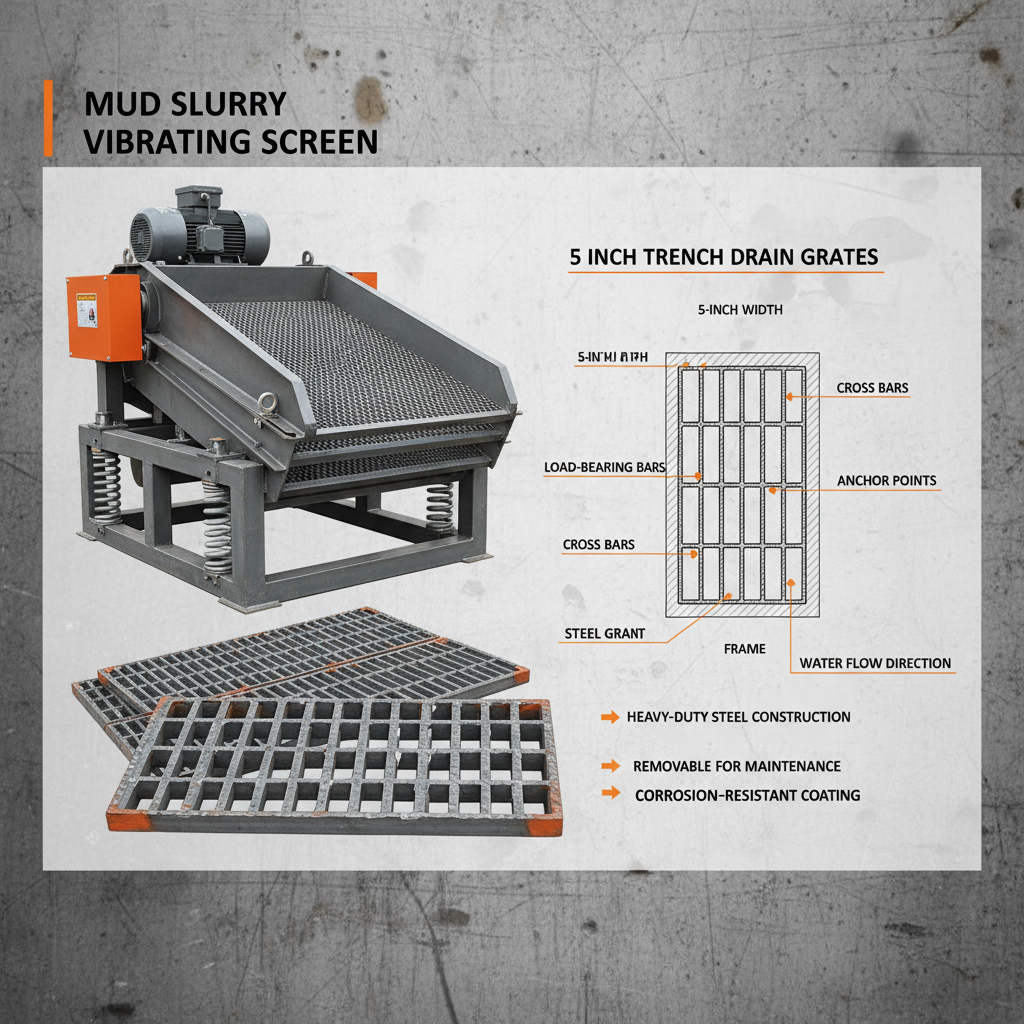
The Benefits of Using 5 Inch Trench Drain Grates
5 inch trench drain grates offer several advantages over traditional drainage solutions. Their linear design efficiently captures and channels water away from surfaces, preventing pooling and reducing the risk of slip-and-fall accidents. The 5-inch width provides a substantial drainage capacity, capable of handling significant volumes of water. These grates are also relatively easy to install and maintain, offering a cost-effective and long-lasting drainage solution. Furthermore, they can be integrated seamlessly into various landscaping designs, enhancing the aesthetic appeal of the area. The use of durable materials like cast iron or stainless steel ensures they withstand heavy loads and harsh weather conditions.
Key Highlights: Efficient water capture, high drainage capacity, easy installation and maintenance, and aesthetically pleasing integration into landscaping.
Materials Used in 5 Inch Trench Drain Grates
Several materials are commonly used in the manufacturing of 5 inch trench drain grates, each offering its own set of characteristics and benefits. These include:
- Cast Iron: Known for its exceptional strength and durability, cast iron grates are suitable for heavy-duty applications and can withstand significant loads.
- Ductile Iron: A more flexible and impact-resistant alternative to cast iron, ductile iron is ideal for areas prone to vibrations or impacts.
- Stainless Steel: Highly corrosion-resistant and aesthetically pleasing, stainless steel grates are often used in applications where hygiene and appearance are critical.
- Polymer Concrete: Lightweight and cost-effective, polymer concrete grates offer good corrosion resistance and are suitable for less demanding applications.
Material Comparison:
• Cast Iron: High strength, durability, heavy.
• Ductile Iron: Impact resistance, flexibility, durable.
• Stainless Steel: Corrosion resistance, aesthetic appeal, higher cost.
• Polymer Concrete: Lightweight, cost-effective, less durable.
Choosing the Right 5 Inch Trench Drain Grate: Key Considerations
Selecting the appropriate 5 inch trench drain grate involves considering several factors. The anticipated load is paramount; heavy traffic areas require grates made from cast iron or ductile iron. The environment also plays a role; corrosive environments necessitate stainless steel or polymer concrete. The grate’s design (e.g., heel-proof, neutral) should align with the specific application. Furthermore, ensure the grate's dimensions and specifications are compatible with the trench drain channel system you are using. HF PetroMesh offers a variety of grate designs to suit different needs.
Applications of 5 Inch Trench Drain Grates
5 inch trench drain grates are versatile and suitable for a wide range of applications, including:
- Parking Lots: Effectively manage rainwater runoff and prevent pooling.
- Sidewalks and Walkways: Enhance pedestrian safety by providing efficient drainage.
- Landscaping: Integrate seamlessly into garden and patio designs.
- Industrial Facilities: Handle heavy-duty drainage needs in manufacturing plants and warehouses.
- Commercial Properties: Maintain a safe and attractive environment for customers and employees.
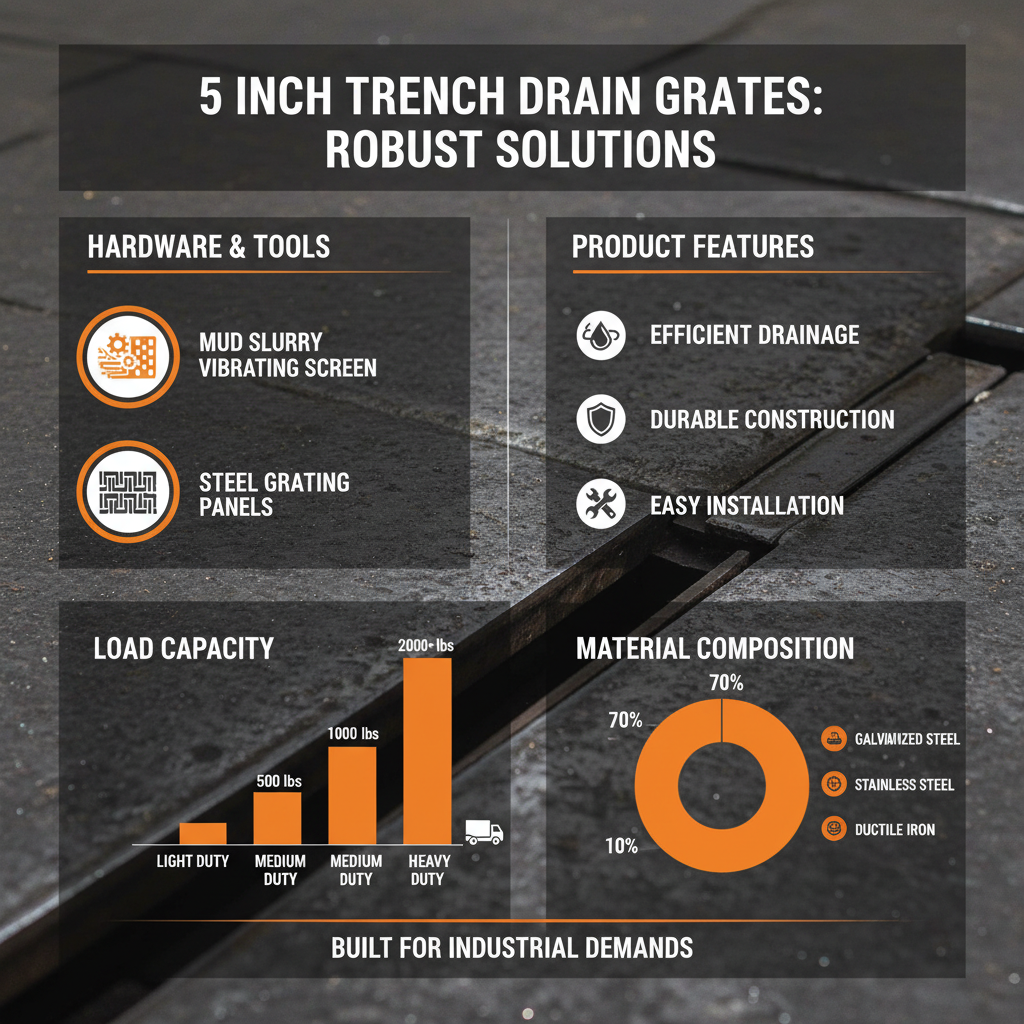
Product Specifications – HF PetroMesh 5 Inch Trench Drain Grates
Here’s a typical specification sheet for our 5-inch trench drain grates:
Conclusion: Choosing Reliable Drainage Solutions
Investing in quality 5 inch trench drain grates from a trusted supplier like HF PetroMesh is crucial for ensuring effective water management and preventing costly damage. By carefully considering the factors outlined in this guide, you can select the optimal grates for your specific needs and create a durable and reliable drainage system.
Frequently Asked Questions (FAQs)
What is the difference between cast iron and ductile iron grates?
While both cast iron and ductile iron are strong materials, ductile iron offers superior impact resistance and flexibility. Cast iron is more brittle and prone to cracking under stress. Ductile iron is often preferred for applications where vibrations or impacts are expected, such as near roadways or industrial machinery. The addition of magnesium to the molten iron during manufacturing gives ductile iron its increased strength and toughness. Consider the specific loads and environmental conditions when choosing between the two.
How do I properly install 5 inch trench drain grates?
Proper installation is crucial for ensuring the grate functions effectively. First, ensure the trench drain channel is correctly aligned and leveled. Apply a sealant or adhesive to the grate’s frame to prevent water leakage. Carefully position the grate onto the channel, ensuring it sits flush and securely. For heavier grates, consider using fasteners or locking mechanisms to prevent shifting or displacement. Always follow the manufacturer’s installation guidelines for specific recommendations. HF PetroMesh provides detailed installation instructions with our products.
What maintenance is required for trench drain grates?
Regular maintenance helps to extend the lifespan of your trench drain grates. Periodically remove any debris, such as leaves, dirt, or sediment, that accumulates on the grate surface and within the channel. Inspect the grates for signs of corrosion, damage, or loose fasteners. Clean the grates with a mild detergent and water. For stainless steel grates, use a stainless steel cleaner to maintain their appearance. Addressing any issues promptly will prevent more significant problems and ensure the system continues to function efficiently.
-
The Ultimate Guide to Choosing a French Drain Grate CoverNewsApr.16,2026
-
Ultimate Guide to Durable Metal Channel Drain Grates for DrainageNewsApr.09,2026
-
Driveway Channel Drain Grate Systems for Effective Water ManagementNewsApr.07,2026
-
Comprehensive Guide to Durable Cast Iron Trench Drain Covers for Various ApplicationsNewsApr.04,2026
-
Comprehensive Guide to Driveway Storm Drain Grates for Optimal Water ManagementNewsMar.31,2026
-
Comprehensive Guide to Durable Steel Driveway Grates for Enhanced DrainageNewsMar.28,2026