- Industrial zone, South of Anping Town, Hengshui, Hebei, China.
- sales@hfpetromesh.com
- +86-18931809706
Comprehensive Guide to Selecting Durable Floor Trench Drain Grates
Understanding Floor Trench Drain Grates: A Comprehensive Guide
Floor trench drain grates are essential components of effective water management systems in a variety of settings, from industrial facilities to commercial kitchens and parking garages. These grates cover trench drains, allowing water to flow through while preventing debris and personnel from falling in. Choosing the right grate material, load capacity, and design is crucial for optimal performance and longevity. This article will delve into the different types of floor trench drain grates, their applications, and factors to consider when making a purchase. Proper drainage is vital for safety, hygiene, and preventing costly damage.
Types of Floor Trench Drain Grates
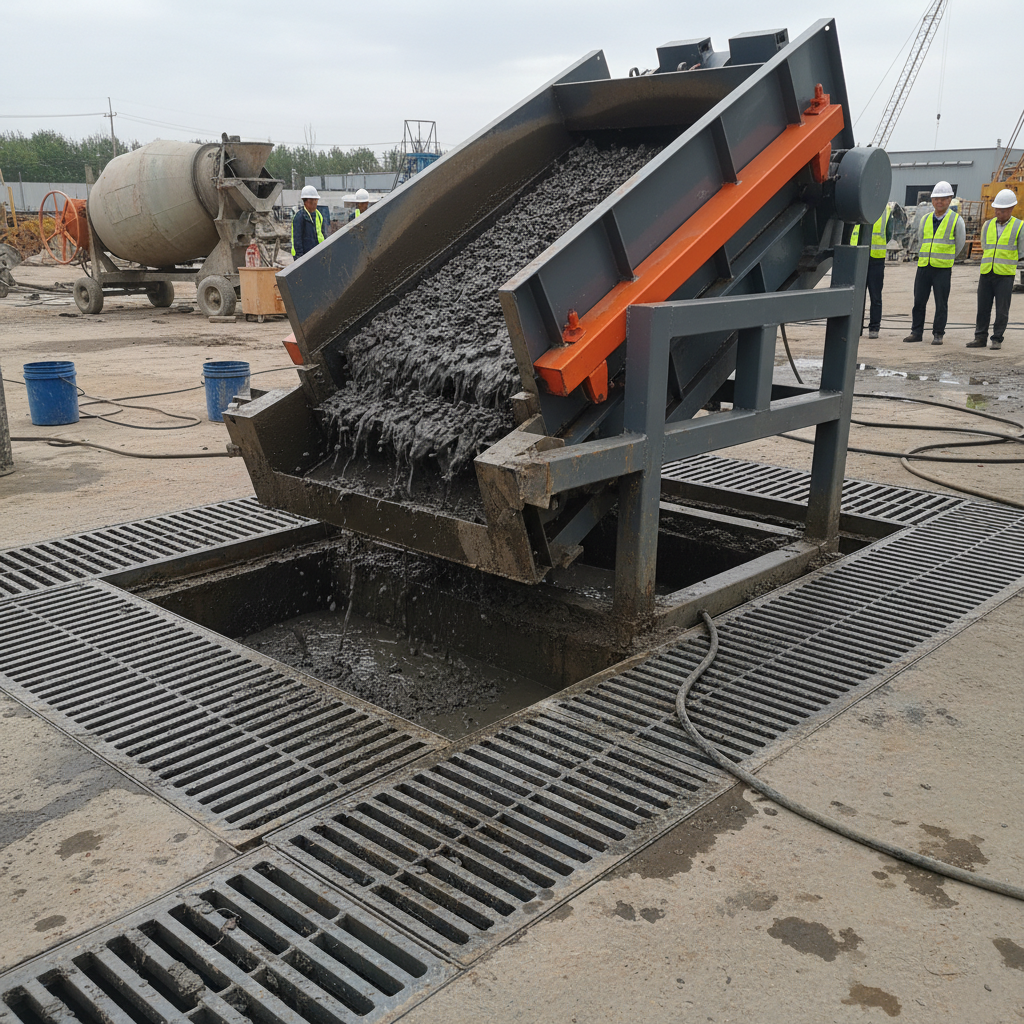
Floor trench drain grates are manufactured from a range of materials, each offering different benefits. Common options include: cast iron, stainless steel, galvanized steel, and plastic (typically polypropylene). Cast iron grates are known for their strength and durability, making them suitable for heavy-duty applications. Stainless steel provides excellent corrosion resistance, ideal for environments exposed to harsh chemicals or saltwater. Galvanized steel offers a good balance of strength and cost-effectiveness, while plastic grates are lightweight and resistant to many chemicals, often used in food processing areas. The choice depends on the specific application and the expected level of wear and tear.
Key Considerations: Selecting the right material is crucial for ensuring longevity and preventing corrosion, especially in harsh environments. Consider the load capacity, chemical exposure, and budget when choosing a grate material.
Load Capacity and Safety Standards
Floor trench drain grates are designed to withstand various load capacities, depending on the anticipated traffic. Load ratings are typically expressed in tons or kilograms and indicate the maximum weight the grate can safely support. It is vital to choose a grate with a load capacity that exceeds the expected loads in your application. Safety standards, such as EN 1433 (European standard for trench drains) dictate testing requirements for load-bearing capacity and ensure the grate meets specified safety criteria. Always verify that the grate complies with relevant industry standards and regulations.
Load Capacity Benefits:
• Prevents grate failure under heavy loads
• Ensures the safety of personnel and equipment
• Complies with industry safety standards
• Reduces the risk of accidents and liabilities
Choosing the Right Floor Trench Drain Grates: A Comparative Analysis
Selecting the appropriate floor trench drain grate requires careful consideration of several factors. Understanding the strengths and weaknesses of each material is vital. Here's a comparison of common grate materials:
Applications of Floor Trench Drain Grates
Floor trench drain grates find applications in diverse environments. Industrial facilities use them to manage coolant and wastewater. Commercial kitchens rely on them for grease and food waste removal. Parking garages employ them to handle rainwater and vehicle fluids. Public spaces, such as shopping malls and airports, utilize them for general drainage. Choosing the right grate for each application ensures efficient water management and prevents potential hazards.
Product Specifications and Considerations
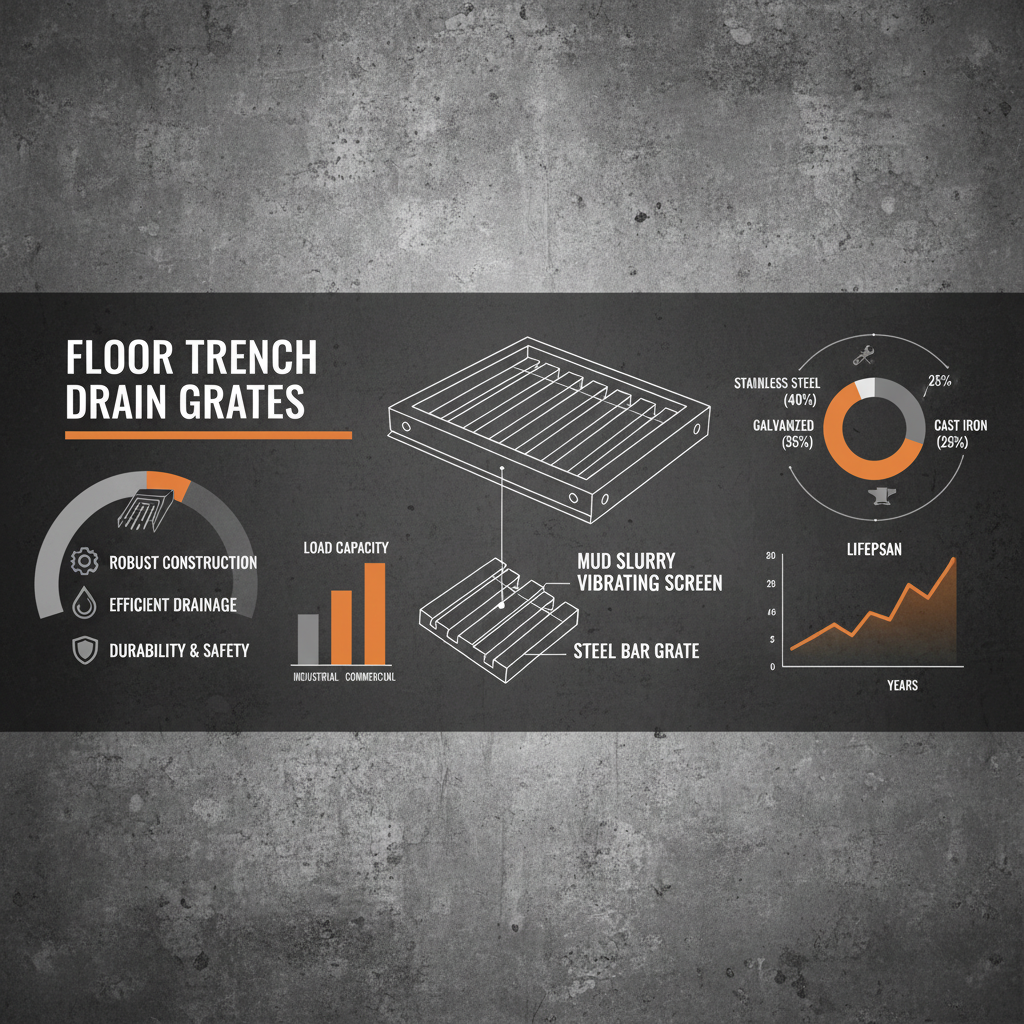
When selecting floor trench drain grates from a supplier like HF PetroMesh, consider these specifications: Length, width, grate spacing (the distance between the bars), material grade, and load capacity. Also, check for certifications and compliance with relevant industry standards. Ensure the grate's dimensions are compatible with your existing trench drain system.
Conclusion: Investing in Reliable Drainage Systems
Choosing the right floor trench drain grates is a critical investment for maintaining safety, hygiene, and preventing costly damage in any environment. By considering factors like material, load capacity, and application, you can ensure optimal performance and longevity. Partnering with a reputable supplier like HF PetroMesh guarantees high-quality products and expert guidance.
Frequently Asked Questions (FAQs)
What is the best material for trench drain grates in a chemical processing plant?
For chemical processing plants, stainless steel or plastic (polypropylene) grates are generally the best choice. Stainless steel offers excellent resistance to a wide range of chemicals and is very durable. Plastic grates are even more chemically resistant but may have lower load-bearing capacities. The specific chemical exposure should be considered when selecting the material. It's vital to check the chemical compatibility charts provided by the grate manufacturer to ensure the material won't degrade or corrode when exposed to the specific chemicals in your plant.
How often should I replace my floor trench drain grates?
The replacement frequency depends on the material and usage conditions. Cast iron grates can last for many years with proper maintenance. Stainless steel grates also have a long lifespan. Galvanized steel grates may need replacement every 5-10 years due to corrosion. Plastic grates may degrade over time due to UV exposure or chemical attack. Regularly inspect the grates for cracks, corrosion, or deformation. If any damage is detected, replace the grate immediately to prevent safety hazards.
What is the significance of grate spacing?
Grate spacing refers to the distance between the bars of the grate. Smaller spacing is ideal for areas where smaller debris needs to be prevented from entering the drain, such as food processing facilities. Larger spacing allows for higher flow rates but may allow more debris to pass through. The appropriate grate spacing depends on the type of debris expected and the desired drainage capacity. Consider safety as well, too small of a grate spacing may pose a tripping hazard.
Where can I find detailed product specifications and pricing for HF PetroMesh’s floor trench drain grates?
You can find comprehensive product specifications, including dimensions, materials, load capacities, and certifications, on the HF PetroMesh website. Pricing information is available upon request. You can contact their sales team directly through the website or by phone for a personalized quote and to discuss your specific requirements. Their team is readily available to help you select the most suitable grate for your application.
-
The Ultimate Guide to Choosing a French Drain Grate CoverNewsApr.16,2026
-
Ultimate Guide to Durable Metal Channel Drain Grates for DrainageNewsApr.09,2026
-
Driveway Channel Drain Grate Systems for Effective Water ManagementNewsApr.07,2026
-
Comprehensive Guide to Durable Cast Iron Trench Drain Covers for Various ApplicationsNewsApr.04,2026
-
Comprehensive Guide to Driveway Storm Drain Grates for Optimal Water ManagementNewsMar.31,2026
-
Comprehensive Guide to Durable Steel Driveway Grates for Enhanced DrainageNewsMar.28,2026